Common cooking ingredient substitutions start with one decision: what job does the missing ingredient do? Flavour swaps are forgiving, while leavening, flour and fat swaps change the result, so check the ratio and its limit before you commit.
This guide sorts swaps by that decision. For a closer look at the two most common pantry mix-ups, go straight to baking soda vs baking powder or to the page on a butter substitute for baking.
Choosing your first move
A substitution chart is built from three columns: the item, the amount and the replacement, as in the Old Farmer’s Almanac chart. Read every swap the same way. Find what the recipe asks for, note the amount, then apply the listed replacement. Koti Beth’s chart adds an important condition: the swaps are meant for the moment you are out of an ingredient, and they can change taste or texture. Treat a swap as a rescue, not a redesign.
Sort your problem into one of these groups before you pick a replacement:
- Flavour ingredient. Garlic, herbs, lemon and spices mostly add taste. You can swap forms, taste as you go and correct. Go to the garlic and herb sections below.
- Structural ingredient. Flour, leaveners, butter and eggs shape the crumb, rise and bite. Use a listed ratio exactly and respect its limits. Go to the leavener, flour and fat sections.
- Richness or moisture ingredient. Cream, milk, sour cream and oil bring fat, liquid or tang. Choose a replacement for the job it does in your dish. Go to the dairy section.
- Ingredient you have but doubt. A swap fixes a missing item, not a spoiled one. Check the storage section before you improvise.
Questions that settle the swap
Three questions narrow most decisions. Is there a tested ratio for this exact pairing? Does that ratio come with a stated limit, such as a recipe type to avoid? Will the finished dish tolerate a change in texture? A flavour swap with a clear ratio is safe to make. A structural swap with a limit needs you to match your recipe to the limit. If a swap has no ratio at all, choose a dedicated guide or adjust in small steps rather than guessing.
Leaveners: baking soda and baking powder
Baking soda and baking powder are not interchangeable one for one. The ratios show how far apart they are: the Almanac chart lists a much larger volume of baking powder to stand in for baking soda, while a homemade baking powder needs only small amounts of soda plus another ingredient. The practical difference is that baking powder is a blend and baking soda is a single ingredient, so the swap you can make depends on which direction you are going.
If you have soda but no powder
For each 1 tsp baking powder, both Koti Beth and the Healthy Family Project give the same mix: 1/4 tsp baking soda and 1/2 tsp cream of tartar. This is the better rescue because the quantities are small and the result is a true replacement for the powder the recipe expects. It only works if you own cream of tartar, so check the spice shelf before you start measuring. The mix is a stand-in for baking powder, not a way to add extra lift on top of it.
If you have powder but no soda
The Almanac chart pairs baking soda with a much larger volume of baking powder, which is a big change to fold into a batter, so this swap suits recipes that call for a modest amount of soda, and it is the riskier direction to rescue. If the recipe leans on soda heavily, consider a different bake or a trip to the shop rather than loading the batter with powder.
Other lift and binders
Chemical leaveners are not the only source of rise. Yeast doughs have their own conversions, which the page on active dry yeast vs instant yeast covers. Eggs add binding, lift and moisture, and when you have run out, an egg substitute for baking is chosen by which of those jobs the egg does in your recipe.
Flour: cake, all-purpose and self-rising
Flour swaps come with limits, so match the swap to the type of bake. The Almanac chart lists 1 cup plus 3 Tbsp cake flour in place of 1 cup all-purpose flour, and it notes that this is not advised for cookies or quick breads. Use that swap for tender cakes where cake flour fits. For cookies, muffins and loaf-style quick breads, stay with all-purpose flour or find another approach.
Self-rising flour is the swap that most often catches home bakers out. Koti Beth gives a mix per cup of self-rising flour: 7/8 cup all-purpose flour, 1/2 tsp salt and 1 1/2 tsp baking powder. Because the baking powder and salt are already in that mix, take them into account when the recipe lists its own. If you make this blend, you can also see that self-rising flour is all-purpose flour with leavening built in, which is why it does not belong in a recipe that asks you to control the rise separately.
When flour is a thickener, not a structure
Flour in a sauce or gravy works differently from flour in a cake. If your question is how to thicken, the guide to a cornstarch substitute covers swapping thickeners. If the question is a dry coating, panko vs breadcrumbs sorts out the crumb choices.
Fats: butter, margarine, shortening and olive oil
Butter swaps are workable, but the texture of the finished dish changes. The Almanac chart lists 1 cup margarine, or 1 cup shortening plus 1/2 tsp salt, for 1 cup salted butter. Koti Beth repeats the same swaps and warns that the swap will change the texture of your final product. Margarine is the simpler match because nothing needs to be added. Shortening needs the salt added back, since the butter being replaced was salted.
Use these swaps for dishes where butter is a cooking fat or where small texture shifts do not matter. In a bake that depends on butter’s character, expect a different result and consider the dedicated guide to a butter substitute for baking.
Olive oil
Olive oil belongs in the cooking-fat group rather than the measured-swap group. The Healthy Family Project suggests keeping it beside the stove so you reach for it first when cooking, and that habit is the most useful advice for it. A stovetop dish where you would have used another cooking fat is a natural home for olive oil. For baking, there is no ratio to rely on here, so keep to the fat the recipe names unless a tested swap exists for your recipe.
Garlic and aromatics
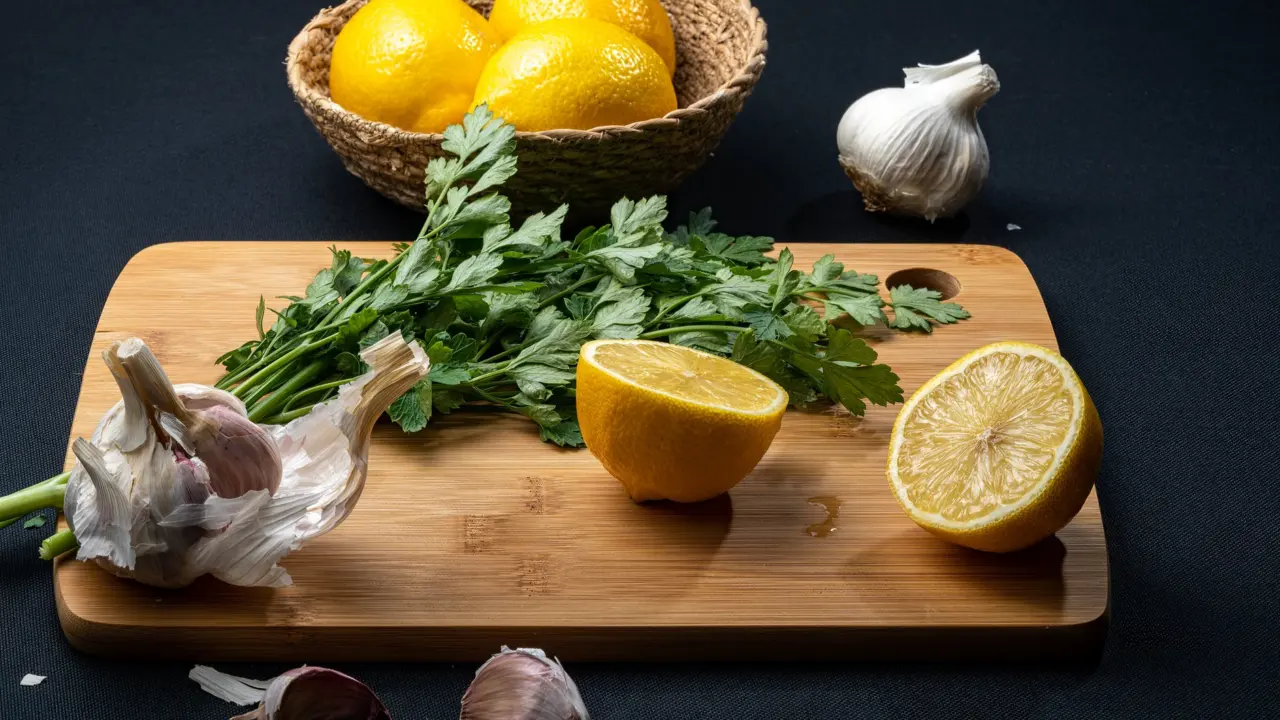
Garlic is the easiest flavour swap to make from the pantry. The Almanac chart lists 1/8 tsp garlic powder or dried minced garlic for 1 small clove of fresh garlic, and Koti Beth gives 1/8 tsp garlic powder per clove.
The ratio is for a small clove, so scale up modestly if your cloves are big and taste before adding more. Garlic powder suits soups, rubs and sauces where you want the flavour spread through the dish rather than found in pieces. Fresh garlic is still the better choice when the recipe wants garlic that is sliced, browned or left in noticeable bits.
If you are reaching for dried garlic because the fresh bulb has gone soft, the page on how to store garlic explains how to tell, and the guide to How To Store Ginger: 7 Practical Ways To Keep It Fresh Longer (2026 Guide) – Asmallbite helps with another aromatic that tends to run out of life early.
Fresh and dried herbs
Dried herbs are stronger by volume, so use less of them. The charts give a range rather than one answer. The Almanac lists 1/2 to 1 tsp dried herbs for 1 Tbsp fresh herbs, minced and packed. Koti Beth gives 1/2 tsp, and the Healthy Family Project gives 1 tsp.
Because the sources differ, start at the low end, taste, and add more only if the dish needs it. You can always add a pinch more dried herb, but you cannot take it back out.

When a herb has no good stand-in
Some herbs are distinctive enough that swapping to a dried version or a neighbouring herb changes the dish noticeably. Cilantro is the clearest example, and the page on a cilantro substitute compares it with parsley. If your fresh herbs are wilting rather than missing, How To Store Fresh Herbs: Simple Methods To Keep Flavor Longer (2026 Guide) – Asmallbite is the faster fix. Dried herbs and ground spices lose strength over time, so how long do spices last helps you decide whether the jar in your cupboard is worth using.
Dairy and cultured swaps
For dairy, choose a replacement by the job the dairy does: richness, tang, thickness or liquid. A swap that matches the job works. One that only matches the colour does not. The linked guides each take one dairy ingredient and compare its alternatives.
- Tangy baking liquids. Buttermilk Substitutes Bakers Trust: 3 Simple Swaps For Perfect Baking In 2026 – Asmallbite covers swaps for pancakes, cakes and biscuits. For cultured dairy in dips and baked goods, see the page on a sour cream substitute.
- Cream. Whipping Cream Vs Heavy Cream: Can You Substitute Without Ruining Your Recipe? – Asmallbite compares two creams that look alike on the shelf. For savoury cooking, Creamy Pasta Without Heavy Cream: 7 Practical Substitutes That Taste Great – Asmallbite shows what works in a sauce, and Dairy‑Free Heavy Cream: Smart Swaps That Taste Like The Real Thing (2026 Kitchen Guide) – Asmallbite covers dairy-free cooks.
- Lighter dairy. A half and half substitute and a milk substitute for baking follow the same logic: match the richness to the recipe.
- Cheese. If a sauce or bake needs a smooth melt, the guide to the best cheese for melting sorts cheeses by how well they behave when heated.
Sweeteners, salt, sauces and acids
These ingredients rarely come with a single universal ratio, because the right swap depends on which form you have and which dish you are making. Use the dedicated pages and pick the one that matches your gap.
- Sugars and syrups. If the recipe wants brown sugar, What To Use Instead Of Brown Sugar: Practical Substitutes And When To Use Them (2026) – Asmallbite lists the options. If you only have the wrong shade, Can You Substitute Dark Brown Sugar for Light Brown Sugar? How To Adjust Recipes And Get Perfect Results – Asmallbite explains the adjustment. For liquid sweetness, see the page on a honey substitute.
- Salt. Grain size changes how much fits in a spoon, which is why kosher salt vs table salt deserves its own guide.
- Savoury sauces and acids. A soy sauce substitute and a lemon juice substitute cover two ingredients that do seasoning and brightening work.
- Flavourings and heat. A vanilla extract substitute handles baking flavour, while types of chili peppers helps when the heat level is the problem.
Storage checks before you swap
Before you swap, confirm that the ingredient you have is still usable. A substitution fixes a missing ingredient, not one that has gone off. These pages help with the checks that come up most often:
- Produce. How to store tomatoes and the page on How Long Does It Take an Avocado to Ripen? A Practical Guide for 2026 – Asmallbite help you decide whether to wait or work around it.
- Eggs. Before you hunt for an egg replacement, check how long do eggs last in the fridge. The carton you have may still be fine.
A mid-recipe rescue routine
When you discover a gap halfway through a recipe, work through this order:
- Stop and read the rest of the recipe so you know where the missing ingredient matters.
- Decide whether it is a flavour ingredient or a structural one.
- Look for a listed ratio for that exact swap, and read any limit attached to it.
- Make flavour swaps in small amounts and taste. Make structural swaps at the listed ratio and do not improvise.
- If no ratio exists and the ingredient is structural, choose the dedicated guide or change the dish rather than gamble on the batch.
The common mistake is to treat a substitute as free. Every swap trades something, whether that is texture, rise or intensity, and the best swap is the one whose trade you can live with.
Overview of the main ratios
This table collects the measured swaps from the sections above for quick lookups while you cook.
| Ingredient needed | Amount | Swap | Planning use |
|---|---|---|---|
| Baking powder | 1 tsp | 1/4 tsp baking soda + 1/2 tsp cream of tartar | Reliable when cream of tartar is on hand. |
| Baking soda | 1 tsp | 4 tsp baking powder | Large volume; suits modest soda amounts only. |
| Garlic | 1 small clove | 1/8 tsp garlic powder or dried minced garlic | Scale up slightly for large cloves and taste. |
| Fresh herbs | 1 Tbsp, minced and packed | 1/2 to 1 tsp dried herbs | Begin at the low end. |
| Salted butter | 1 cup | 1 cup margarine, or 1 cup shortening + 1/2 tsp salt | Expect a change in texture. |
| Self-rising flour | 1 cup | 7/8 cup all-purpose flour + 1/2 tsp salt + 1 1/2 tsp baking powder | Leavening is already in the mix. |
| All-purpose flour | 1 cup | 1 cup plus 3 Tbsp cake flour | Not advised for cookies or quick breads. |
The figures come from the Old Farmer’s Almanac substitution chart and Koti Beth’s substitution chart.
Frequently asked questions
Can I use whole wheat flour instead of some of the all-purpose flour?
Yes, within limits. Koti Beth says you can replace up to 1/4 to 1/2 of the all-purpose flour with whole wheat, and that about 1/4 gives the best results. Treat 1/4 as the target and the higher figure as a ceiling.
Is there a baking soda replacement other than baking powder?
The Almanac chart also lists 1 tsp potassium bicarbonate plus 1/3 tsp salt for 1 tsp baking soda. It is a pantry item few cooks keep, so baking powder is the more practical option.
Can applesauce replace oil in baking?
For baking, the Healthy Family Project suggests 1/2 cup applesauce or fruit puree for 1 cup vegetable oil. The ratio is given for baking recipes, so do not carry it over to frying or sauteing.
Should homemade baking powder include cornstarch?
It can. The Almanac lists 1/4 tsp baking soda, 1/4 tsp cornstarch and 1/2 tsp cream of tartar for 1 tsp baking powder. Other charts leave the cornstarch out, so either version is a documented option.