| Substitute | Amount per 1 cup heavy cream | Effect in pasta sauce | Planning use |
|---|---|---|---|
| Half-and-half plus melted butter | 7/8 cup (232 g) half-and-half + 1/8 cup (29 g) melted butter | Butter adds back fat that a lighter dairy base lacks | Best when you have half-and-half and want a dairy flavour |
| Whole milk plus melted butter | 3/4 cup whole milk + 1/3 cup melted butter | Coats the pasta; a lighter 1/4 cup butter version makes a thinner sauce | Use the richer ratio for a sauce that clings |
| Whole milk plus cornstarch | 2 tablespoons (19 g) cornstarch per 1 cup (237 mL) milk | Thickens milk but will not whip like heavy cream | A low-effort route when milk is all you have |
| Evaporated milk | 1:1 by volume | Stands up to a simmer better than the other options listed here | Choose for sauces that must bubble |
| Full-fat coconut milk | 1:1 | Coconut flavour carries through | Pair with ingredients that welcome coconut |
| Cashew cream | 1:1; 1 cup soaked cashews blended with 1/2 cup water | Stiffens as it sits | Blend it shortly before saucing |
| Soy milk plus olive oil | 2/3 cup (159 mL) soy milk + 1/3 cup (79 mL) olive oil | Dairy-free; the oil supplies the missing fat | Useful when you want dairy-free without nuts or coconut |
Ratios come from Healthline’s guide to heavy cream substitutes and a pasta-sauce substitution guide.
The best heavy cream substitute for pasta depends on what you have and whether the sauce will simmer. Half-and-half with butter or milk with butter suits most dishes, and cashew cream or coconut milk covers dairy-free cooking.
These swaps are one part of a wider set of common cooking ingredient substitutions, but pasta sauce is fussier than most because the liquid has to coat the noodles instead of pooling under them.
Choosing a substitute by what the sauce needs
Each swap changes the sauce in a predictable way, so pick by the result you want and not only by what is in the fridge. Heavy cream is at least 36% milk fat, according to Healthline, so every substitute is either adding fat, adding starch, or accepting a lighter sauce.
- Richest dairy result: use half-and-half with melted butter, or whole milk with the higher butter ratio. Both keep the flavour of a dairy sauce.
- Lighter sauce: use whole milk with cornstarch. Expect a sauce that tastes lighter than a cream sauce, so season after it thickens.
- Sauce that has to simmer: reach for evaporated milk at a 1:1 swap, because it tolerates simmering better than the other options on this list.
- Dairy-free and creamy: make cashew cream, or use full-fat coconut milk if a coconut note suits the dish.
- Dairy-free without nuts or coconut: combine soy milk with olive oil.
- Acidic, long-simmered sauces: add the dairy at the end and off the boil, as explained in the curdling section below.
Dairy substitutes in practice
Dairy swaps work best when you decide in advance how much fat the sauce needs, because milk alone will not reduce into a sauce that coats. A pasta-sauce guide advises adding fat, starch, or both to milk.
Half-and-half and butter
Half-and-half is 10.5% to 18% milk fat by the federal standard, so it needs a boost to match heavy cream. For a straight cup-for-cup replacement, Healthline suggests mixing 7/8 cup (232 g) of half-and-half with 1/8 cup (29 g) of melted butter.
If you are only enriching half-and-half already in a sauce, a tablespoon of butter per cup is the lighter guideline. Use the larger amount when the sauce is the star of the dish, as in a plain butter-and-cheese fettuccine. Use the tablespoon when other ingredients such as vegetables or meat add richness.
Whole milk with butter, roux or cornstarch
Whole milk sits near 3% milk fat, so it needs help. There are three routes, and they suit different cooks:
- Milk plus butter: combine 3/4 cup whole milk with 1/3 cup melted butter per cup of cream for a sauce that clings. The lighter 3/4 cup milk and 1/4 cup butter version is thinner and closer to half-and-half in body.
- Milk plus roux: cook butter and flour together first, then whisk the milk in gradually. This is the better choice when you want a stable sauce that tolerates a few minutes on the heat.
- Milk plus cornstarch: stir 2 tablespoons (19 g) of cornstarch into 1 cup (237 mL) of milk. It will not whip and can change the texture of baked goods, so keep it for stovetop sauces.
Evaporated milk
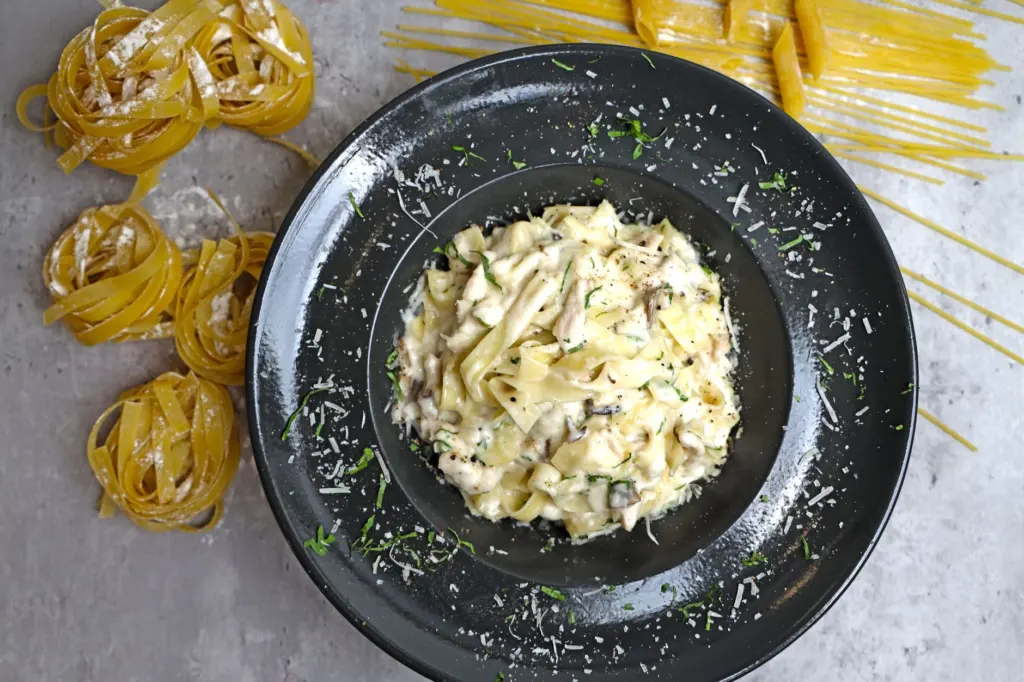
Evaporated milk swaps in at 1:1 and holds up to a simmer better than anything else in this comparison. That makes it a practical pick for a sauce that needs to bubble gently while the pasta finishes. If what you have in the fridge is whipping cream rather than milk, the guide on Whipping Cream Vs Heavy Cream: Can You Substitute Without Ruining Your Recipe? – Asmallbite explains how close the two are.
Dairy-free substitutes
The best dairy-free substitute for creamy pasta is cashew cream when you want a neutral, rich sauce, and full-fat coconut milk when a coconut note is welcome. Both swap in at 1:1 for heavy cream, according to a pasta-sauce substitution guide.
Cashew cream
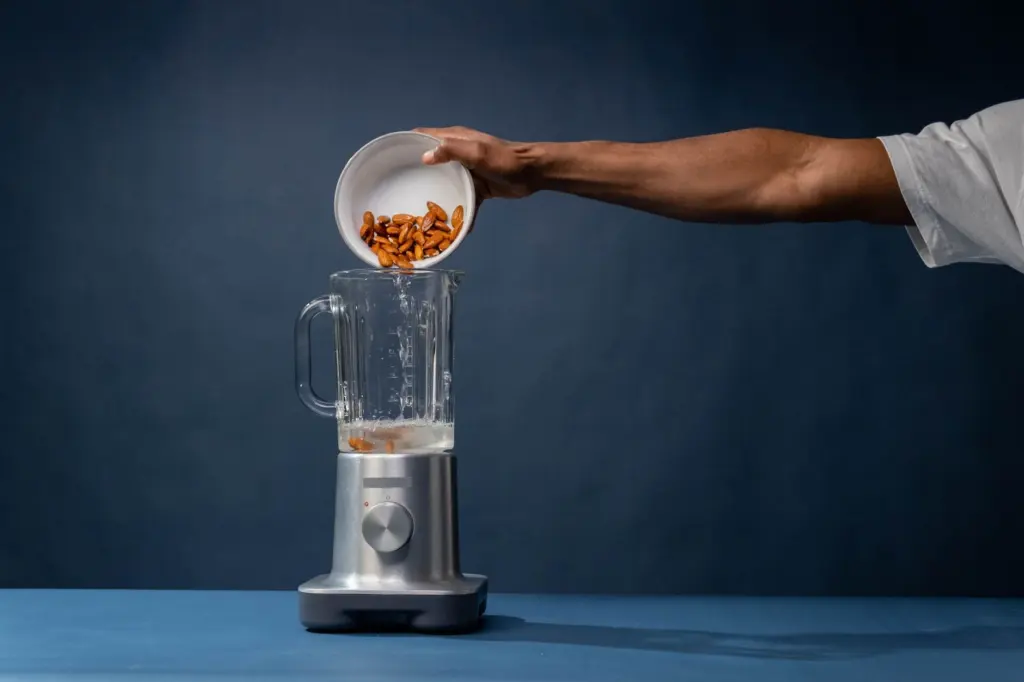
Blend 1 cup of soaked cashews with 1/2 cup of water until smooth. Soak the cashews until they are soft, since harder nuts leave a gritty sauce. Cashew cream stiffens as it sits, so make it shortly before you sauce the pasta and loosen it with a splash of starchy pasta water if it tightens.
Coconut milk
Full-fat coconut milk gives body without any prep, but its flavour carries through the finished dish. It suits sauces that already include garlic, chilli or herbs that stand up to it. For a plain Parmesan-style sauce, cashew cream is the more neutral choice.
Soy milk and olive oil
Healthline’s dairy-free option mixes 2/3 cup (159 mL) of soy milk with 1/3 cup (79 mL) of olive oil to replace 1 cup of heavy cream. It makes sense when nuts and coconut are off the table, and it works best in sauces with enough savoury flavour to cover the olive oil.
Keeping the sauce smooth
Dairy sauces split when acid meets sustained heat, so the reliable fix is to control when the dairy goes in. A pasta-sauce substitution guide notes that acid plus sustained heat is what breaks a sauce. In a long-simmered acidic sauce such as tomato, add the milk-based substitute off the boil at the end.
- Use starchy pasta water as the adjuster: reserve 1 to 2 cups before draining, then add it about 1/3 cup at a time, tossing, until the sauce coats each strand.
- Keep the water below boiling: when emulsifying Parmesan, the water should be around 150F/65C, or the cheese seizes.
- Grate your own cheese: anti-caking agents in pre-grated cheese block the emulsion.
- Reach for evaporated milk when the sauce must keep cooking: it tolerates a simmer better than the other dairy options.
Starch and fat do the stabilizing: milk with cornstarch or a roux gives the sauce body that tolerates gentle heat, while butter adds the fat that thin dairy lacks. For another pantry gap with its own trade-offs, see What To Use Instead Of Brown Sugar: Practical Substitutes And When To Use Them (2026) – Asmallbite.
Frequently asked questions
Can I whip a milk-and-butter substitute?
No. Milk with melted butter will not whip the same way heavy cream does, and cornstarch-thickened milk will not whip as well either. Keep both for sauces.
What if my cashew cream thickens before I use it?
Cashew cream stiffens as it sits. Loosen it in the pan with a little starchy pasta water, added gradually until the sauce coats the noodles.
Can Greek yogurt stand in for cream in a hot sauce?
It can if you stabilize it first. Whisk 1 tablespoon of cornstarch into each cup of yogurt before heating, and keep the heat gentle.