How to store fresh herbs comes down to herb type: keep cilantro and parsley upright in water in the fridge, basil in water on the counter, and rosemary and thyme wrapped in a damp paper towel in the fridge.
The same logic runs through every method below. It also helps when you are planning a shop around common cooking ingredient substitutions, because herbs that stay fresh are herbs you do not need to replace.
Why herbs wilt, blacken and rot at different speeds
Herbs fall into two storage camps, and treating them alike is the main cause of waste. According to Escoffier’s herb storage guidance, delicate herbs need moisture and gentle handling, while hardy herbs prefer drier conditions and good airflow. The practical result is a trade-off: soft leaves need some humidity to stay crisp, but extra moisture speeds spoilage in any herb.
Basil is the clearest example of a herb that suffers from the wrong environment. Escoffier notes that basil exposed to temperatures that are too cold can turn black almost overnight. A storage guide that explains the chemistry puts refrigerator temperatures at 35–40°F, which cause cellular damage that blackens basil within 24–48 hours. The cold releases polyphenol oxidase, an enzyme that reacts with oxygen. That is why a basil bunch that looked fine on the shelf can look bruised after a night in the fridge.
The decision rule follows from this. Give soft herbs a damp, cool environment, give woody herbs dry airflow, and keep basil away from cold.
Refrigerator storage by herb type
Most herbs belong in the refrigerator, with one important exception. The methods differ mainly in how much moisture they supply.
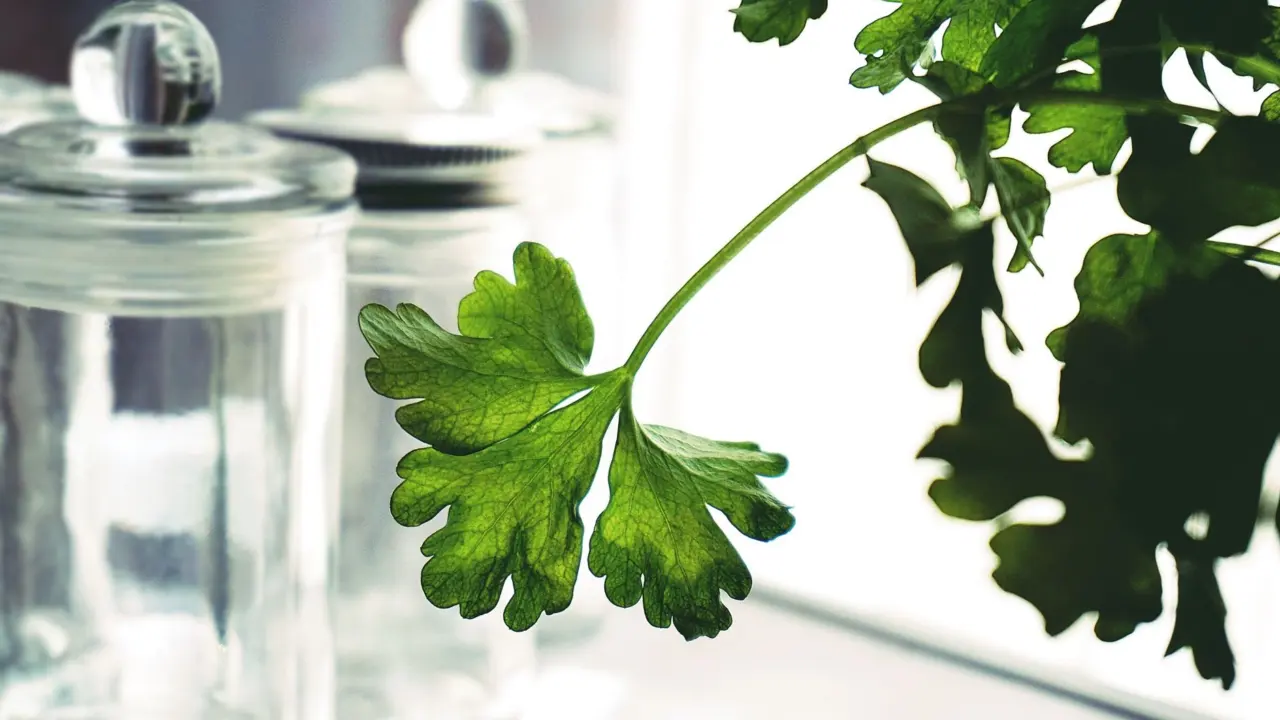
Cilantro and parsley: stems in water
Standing the stems in a jar of water works for both herbs. One guide reports that cilantro and parsley stored this way in the refrigerator last 2–3 weeks, against 3–5 days for cilantro thrown loose into the crisper drawer. A water-and-bag version of the method is credited by The Mediterranean Dish with keeping soft herbs such as parsley, dill, cilantro and mint fresh for 10 days to 2 weeks. The same source says soft and hardy herbs can last up to 3 weeks when stored correctly. Treat that as a ceiling rather than the number to plan around; the lower range is the safer guide for meal planning.
If you have no spare jar, the paper towel method also suits cilantro and parsley. Escoffier describes dampening a paper towel, wringing it out, wrapping the stem ends and leaving the bag unsealed. Leaving the bag open keeps enough moisture in while letting air circulate.
Rosemary and thyme: damp wrap, not a water jar
Woody herbs do better wrapped than standing in water. The Mediterranean Dish advises rolling the herbs in damp paper towels so the whole herb is covered, then keeping them in a bag in the fridge. The Mygardyn guide specifies a damp (not wet) paper towel inside a container, and reports that rosemary and thyme last 2–4 weeks this way. The “not wet” detail matters: it is the same moisture trade-off described above, and a soaked towel does these herbs no favours.
Basil: keep it out of the fridge
Basil should always be kept out of the refrigerator, according to Escoffier, and The Mediterranean Dish agrees that its delicate leaves bruise and turn black if refrigerated. The alternative is to treat it like cut flowers. The Mygardyn guide recommends room-temperature storage with the stems in about 1 inch of water, changing the water every two days, which keeps basil for 1–2 weeks.
Storage durations at a glance
| Herb | Method | Typical duration | Planning use |
|---|---|---|---|
| Basil | Stems in about 1 inch of water at room temperature; change water every two days | 1–2 weeks | Use the counter, never the fridge, and keep the jar near where you cook |
| Cilantro and parsley | Stems in water, refrigerated | 2–3 weeks | The best default for soft herbs you buy in bunches |
| Cilantro, loose | Thrown into the crisper drawer without preparation | 3–5 days | Only acceptable if you will use it within days |
| Rosemary and thyme | Loosely wrapped in a damp (not wet) paper towel inside a container in the fridge | 2–4 weeks | Suits herbs bought for occasional cooking |
These durations come from a published herb storage guide; the more conservative 10 days to 2 weeks for soft herbs comes from The Mediterranean Dish.
Freezing fresh herbs
Yes, you can freeze fresh herbs, but the method and the result depend on the herb. Soft leafy herbs freeze best in oil, and sturdy herbs can go in a bag; either way, plan to cook with them rather than garnish.
Soft leafy herbs in oil cubes
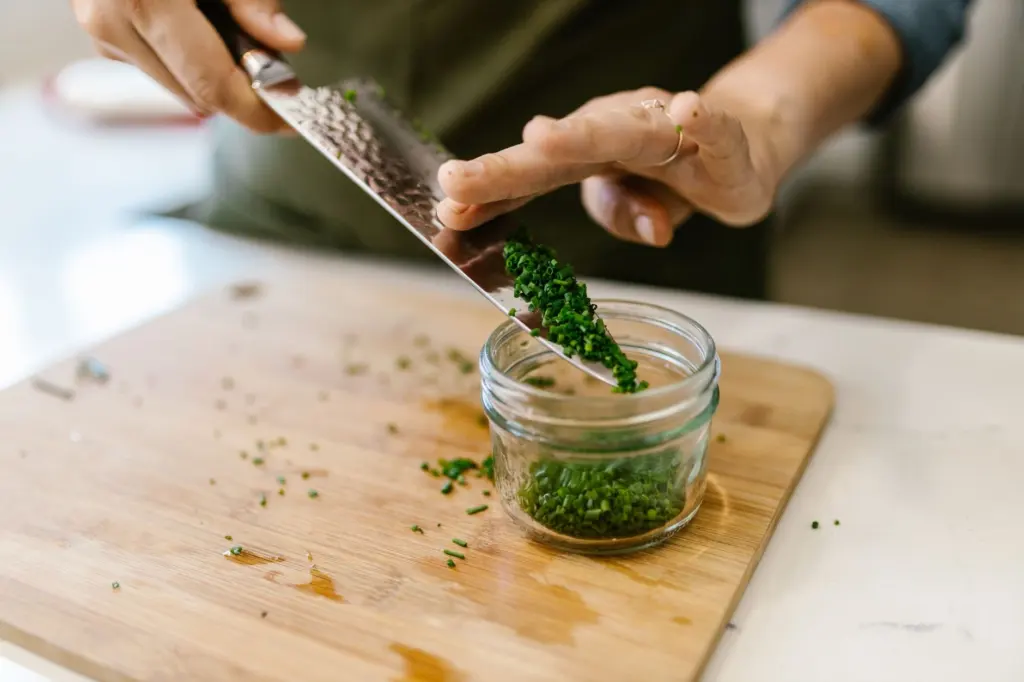
Chop the herbs, pack them into an ice cube tray, cover with extra virgin olive oil and freeze, as The Mediterranean Dish describes for parsley and cilantro. Escoffier says the ice cube method works best for soft, leafy herbs like parsley, cilantro, basil, dill and chives. This is also how to handle basil if you have more than you can use, since freezing avoids the cold damage that refrigeration causes.
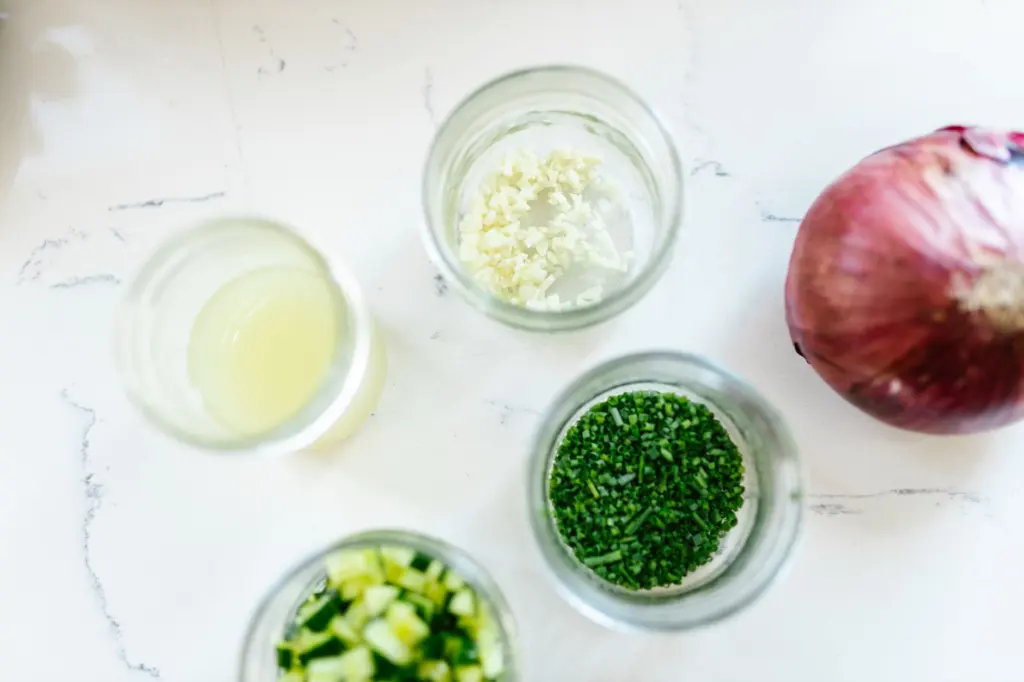
The limit is appearance. The herbs will not look good when defrosted, so cook the cubes into dishes rather than using them as a fresh garnish.
Rosemary and thyme: freeze or dry?
Sturdy herbs need less preparation. The Mediterranean Dish suggests washing and drying them thoroughly, placing them in a zip-top bag, squeezing out as much air as possible and freezing. Escoffier adds that rosemary, thyme, sage, oregano and bay leaf all hold up when frozen whole.
Not every source agrees on rosemary and thyme. The Mygardyn guide advises against freezing them because their texture after freezing is poor, and prefers drying. A reasonable compromise: freeze them if they are headed into long-cooked dishes, and dry them if you want to keep the leaves looking like leaves.
Drying herbs at home
Drying suits sturdy herbs and is a poor choice for tender ones. According to the Mygardyn storage guide, tender herbs such as basil, cilantro, parsley and mint lose most of their flavor when dried, so freeze those instead. Rosemary and thyme are the better candidates.
- Air-drying: bundle the stems and hang them in a dry, ventilated space for 1–2 weeks. It needs no equipment but the most time.
- Oven-drying: 170°F for 2–4 hours with the door cracked. It is the quickest route without special gear, but the temperature is well above a dehydrator’s.
- Dehydrator: 95–115°F for 2–4 hours. The lower temperature suits anyone who dries herbs regularly.
Matching the method to your herb
When you are standing at the fridge with a fresh bunch, the herb’s stem type should make the decision for you.
- Basil: a jar on the counter if you will cook within days, oil cubes in the freezer if you will not.
- Cilantro and parsley: a jar of water in the fridge first; chopped into oil and frozen once the bunch starts to tire.
- Rosemary and thyme: a damp wrap in the fridge for everyday use, with drying as the longer-term option.
Herbs are one of several ingredients where a little planning prevents a last-minute swap. If a recipe also needs a sweetener you have run out of, Can You Substitute Dark Brown Sugar for Light Brown Sugar? How To Adjust Recipes And Get Perfect Results – Asmallbite explains how to adjust the recipe.
Frequently asked questions
Should I wash herbs before storing them?
Wash only what you plan to use right away. Escoffier notes that extra moisture speeds up spoilage.
Do frozen herbs taste like fresh ones?
In cooked dishes they come close. Barossa Co-op says frozen herbs can be used almost the same as fresh ones, although their texture after defrosting makes them better for cooking than for garnish.
How long do basil oil cubes keep in the freezer?
The Mygardyn guide says basil and oil cubes keep for 3–6 months.