| Swap | What changes | Planning use |
|---|---|---|
| Dark brown sugar for light brown sugar in cookies | Stronger caramel flavor, denser cookies, and more rise when the dough contains baking soda | Swap directly when you want a heartier cookie. Choose the milder blend below when you do not. |
| Dark brown sugar for light brown sugar, softened | 2/3 packed cup dark brown sugar plus 1/3 cup white sugar for every packed cup of light brown sugar | Use when only dark is in the pantry and the recipe was written for light. |
| Light brown sugar for dark brown sugar | Less molasses flavor and color. Add molasses back at about ¼ teaspoon per cup (New England) or 1 tablespoon per cup (Chowhound). | Start with the smaller amount and add more only if the recipe is built around molasses flavor. |
| Light brown sugar in a chocolate chip cookie recipe that asks for dark | The cookies are not ruined | Safe to swap when the pantry is short. |
Swap figures come from New England’s guide to light and dark brown sugar and Chowhound’s brown sugar substitution guide.
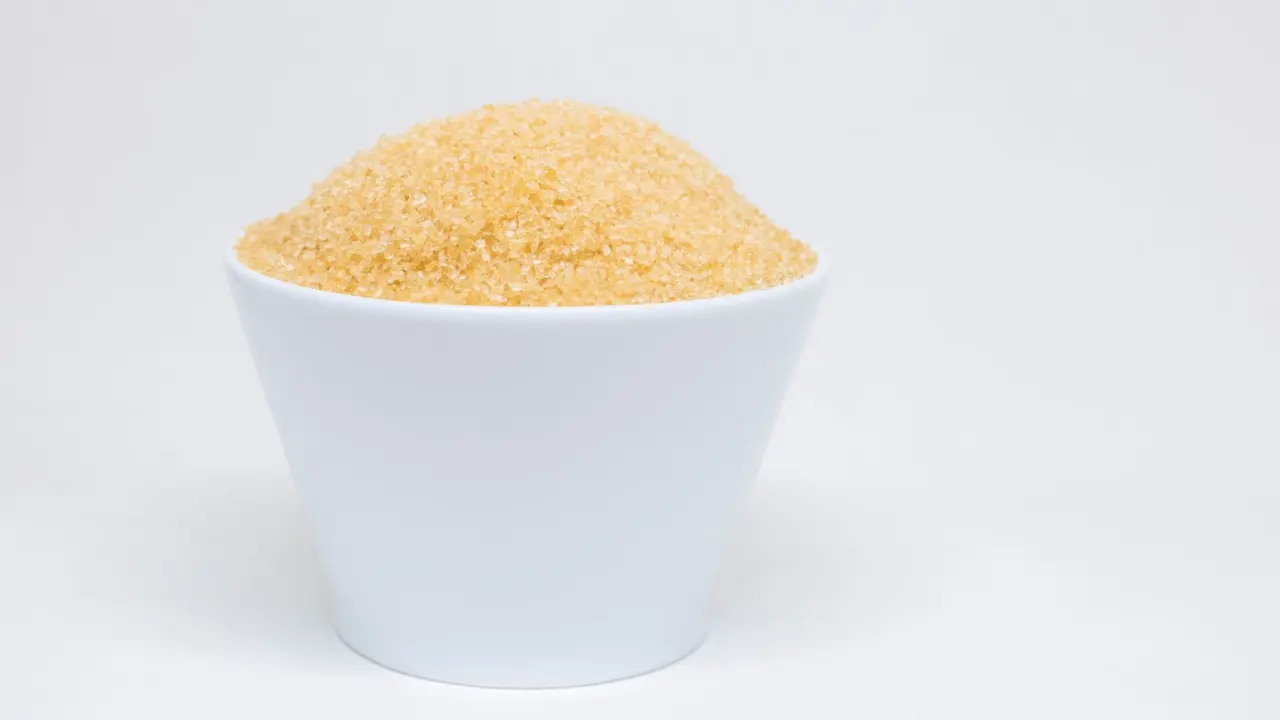
Can I substitute dark brown sugar for light brown sugar? Yes. Most of the time dark can replace light, and the bake usually turns out slightly more moist, thick and strongly flavored, which is an acceptable trade in most home baking.
The swap is one of many pantry decisions covered in our guide to common cooking ingredient substitutions. The sections below explain what changes in cookies and cakes, which ratios help, and why molasses drives the difference.
Effects on flavor, color and moisture
Brown sugar recipes are forgiving. Chowhound notes that recipes tolerate swapping light for dark or dark for light, so a missing bag of one type should not stop you from baking. Halicopter Away reaches the same conclusion: you can interchange them without ruining your bake, though the differences are distinct.
The direction of the swap determines what you notice. Baker’s Authority says dark brown sugar tastes stronger and more complex because it carries more molasses, and that a dark-for-light swap can leave the result a little more moist, thick and highly flavored. Going the other way, the color will be lighter and the sweetness a little higher. Dark-for-light adds character, while light-for-dark takes some of it away.
Use these points to decide how much effort the swap deserves:
- Dark in place of light: a good choice when you enjoy a deeper, more complex flavor and a moister result. Treat it as an upgrade, not a compromise.
- Light in place of dark: acceptable when a paler color and slightly higher sweetness will not bother you. The recipe will taste less rounded than its author intended.
- Molasses-driven recipes: if the dish depends on that deep, caramel note, add molasses back or blend sugars rather than swapping blindly. The ratio section below gives the supported amounts.
Cookies and cakes
Cookies
Cookies show the swap most clearly. Chowhound explains that the extra molasses in dark brown sugar gives a heartier, more caramel flavor and denser cookies, and that its acidity mixes with leaveners such as baking soda to give extra rise. If a recipe calls for dark and you only have light, the same guide says chocolate chip cookies will not be ruined.
Accounts of spread differ, so do not assume a fixed outcome. A single-batch cookie test on Halicopter Away found that dark brown sugar cookies spread less and came out denser, heavier and quite moist, with a lighter flavor from the light sugar version. Baker’s Authority says dark brown sugar cookies spread out more and turn a bit chewier than light ones. Treat spread as something to watch rather than predict: bake a small first tray, and if you are swapping in dark sugar for a cookie you care about, judge the shape before committing the whole batch.
Cakes and other baked goods
Cakes are a comfortable place for dark brown sugar. Baker’s Authority calls it great for cakes, pizza crusts and other baked goods. The trade-off is texture: Halicopter Away points out that molasses increases the moisture and acidity of a bake, which can make sweets slightly denser and heavier and can add rise.
That makes the dark-for-light swap a sensible default for cakes where you want a moister result and do not mind a slightly heavier bake. If you want the lightest possible texture, or you are matching a pale cake, stay with light brown sugar or use the blended option below.
Swap ratios and when to use them
The amounts below come from New England and Chowhound. Pick the approach that matches what is in your pantry and how much the recipe depends on molasses.
- Straight swap, dark for light. Substitute the dark sugar directly. This is the easiest route and suits cookies and cakes where a richer flavor is welcome.
- Blended, to soften the flavor. When only dark is available but the recipe wants light, New England suggests a packed 2/3 cup of dark and 1/3 cup of white sugar for every packed cup of light sugar needed. This suits cooks who want the moisture of brown sugar without the full molasses weight.
- Light for dark, with molasses. New England suggests adding about ¼ teaspoon of molasses per cup, while Chowhound suggests 1 tablespoon of molasses for every cup of sugar. The gap is large, so begin with the smaller amount if you want a subtle shift, and use the larger one when the recipe is meant to taste distinctly of molasses.
What molasses does in brown sugar
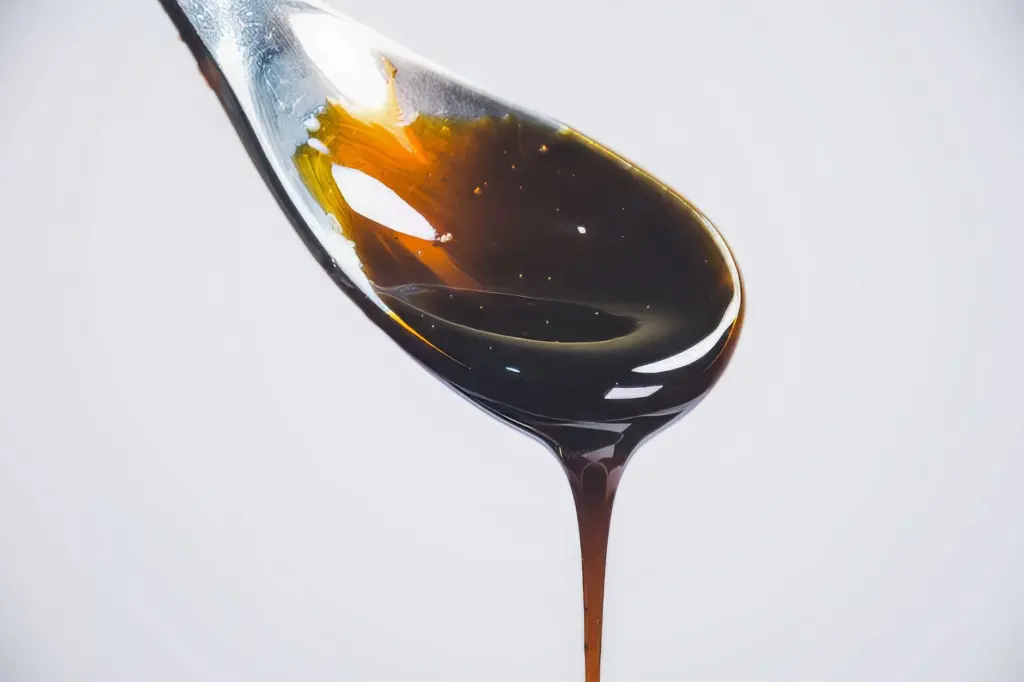
Molasses is the whole difference. Chowhound describes brown sugar as simply white sugar plus molasses, and New England explains that the color comes from molasses added at the end of processing as a coating, thicker on dark brown sugar and thinner on light. Because the base is the same, the two sugars behave alike in most recipes and diverge only as far as their molasses content differs.
Baker’s Authority puts the figures at about 3.5% molasses in light brown sugar and about 6.5% in dark, and Chowhound likewise says dark has almost double the molasses of light. That higher molasses share explains the stronger flavor and the shifts in moisture, density and rise described above.
Molasses also changes the chemistry. It brings moisture and acidity to a bake, and the acidity can work with baking soda to give more rise. In practice, that is why a dark-for-light swap in a recipe with baking soda tends to rise a little more, while a light-for-dark swap loses some of that effect. It is also why, when you add molasses to light sugar, you are restoring flavor, color and some of that moisture all at once.
More ingredient help
Good substitutions start with ingredients in good condition. For timing and storage in the same practical spirit, see How Long Does It Take an Avocado to Ripen? A Practical Guide for 2026 – Asmallbite and How To Store Fresh Herbs: Simple Methods To Keep Flavor Longer (2026 Guide) – Asmallbite.
Frequently asked questions
Which brown sugar does a recipe mean when it only says brown sugar?
Usually light. Chowhound notes there is a good chance a recipe that calls for plain brown sugar means the light variety, so dark is a flavor upgrade rather than the expected choice.
Can I make brown sugar if I have neither type?
Yes, if you have white sugar and molasses. Chowhound treats brown sugar as white sugar plus molasses and says dark brown sugar needs another ½ to 1 tablespoon of molasses per cup of white sugar for extra color and richness.
Does brown sugar add more water to a recipe than white sugar?
It can. New England says brown sugar can contain as much as 35 percent more water than white sugar, which is part of why it keeps bakes moist.