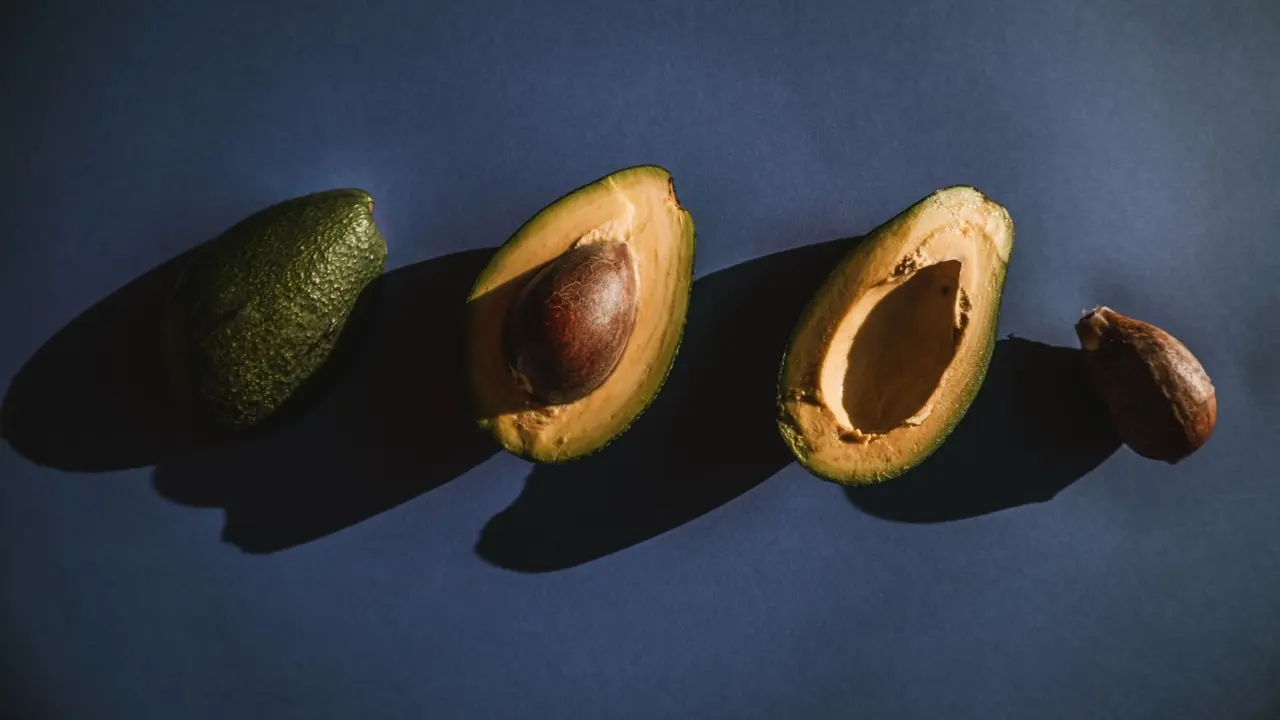
How long does it take an avocado to ripen? A whole unripe avocado typically needs about 3-5 days at room temperature. A paper bag with a banana shortens that, while the refrigerator stalls unripe fruit.
Timing depends on how you store the fruit, so this guide explains the mechanism first and then the methods. It ends with tests for knowing when the fruit is ready. For more pantry and produce questions, see our guide to common cooking ingredient substitutions.
How avocados ripen after picking
Avocados start ripening only after they are picked. That is why a store-bought avocado is often still hard, as Glad’s storage guide points out. Ripening is a chemical sequence driven by a gas the fruit makes itself:
- Harvest starts the clock. Nothing happens on the tree, so the days you count begin once the fruit is off it.
- Ethylene builds up. Avocados naturally produce ethylene gas, and that gas triggers ripening. America’s Test Kitchen describes avocados as climacteric fruits, meaning they ripen after picking once their internal ethylene reaches a set level.
- Starch turns to sugar. Ethylene prompts climacteric fruits to ramp up their conversion of starches to sugar, and the flesh changes as this happens.
- Softening moves along the fruit. Avocados do not ripen uniformly. They soften first at the stem end and then work down to the bottom.
This sequence explains most of what follows. Anything that holds ethylene near the fruit or adds more of it speeds the process. Cold interrupts it. The uneven softening also explains why the bottom of the fruit is the most reliable place to check, which the ripeness section below covers.
Ripening timeline by method
The table puts the room-temperature baseline next to the ways of speeding it up or holding it. Use it to decide how far ahead to start.
| Situation | What to expect | Planning use |
|---|---|---|
| Whole unripe avocado on the counter | About 3-5 days at room temperature | The baseline. Start this far ahead of the meal. |
| Avocado in a brown paper bag | The bag traps the ethylene gas and speeds ripening | Use when the counter timeline is too slow. |
| Paper bag plus a banana or apple | Extra ethylene is released into the bag, so the avocado ripens even faster | The best choice when you are short on time. |
| Bag moved to a warm spot in the kitchen | Adds a further ripening boost | Combine with the banana when you need the fruit soon. |
| Warm oven for fifteen minutes | Avocados came out hot and slimy but still not ripe in testing | Not a ripening method. Skip it. |
| Already-ripe avocado in the refrigerator | Freshness extends for several additional days | Use to hold fruit that ripened early. |
Figures and method results come from Glad’s avocado storage guide and America’s Test Kitchen’s ripening tests.
The 3-5 day figure describes typical whole unripe fruit at room temperature, not a promise for every avocado. Treat it as a planning window and begin checking the fruit before the window ends. The oven result also shows that warmth alone is not what ripens the fruit. Ethylene is, so the faster methods below all work by concentrating or adding it.
Speeding up ripening
The gentlest way to hurry an avocado is to keep its own ethylene close and add more from a neighbor. Follow these steps in order, and stop at whichever step gets you to your deadline.
- Use a paper bag. Put the avocado in a brown paper bag. The bag traps the gas around the fruit.
- Add a banana. Put a banana in with it, or an apple. Bananas produce copious amounts of ethylene, so they nudge neighboring fruit along, as America’s Test Kitchen explains.
- Choose a warm spot. Set the closed bag somewhere warm in the kitchen. This can add a further ripening boost.
- Check often. Press the avocado using the cues below instead of waiting out the whole window. Remove it from the bag as soon as it gives.
The same banana-in-a-bag trick works on any climacteric fruit. Avocados belong in that group, so the method suits them. If you are hurrying one fruit for a specific meal, the banana and warm spot together are the strongest choice. If you have no particular deadline, the plain paper bag is enough.
Holding avocados until you need them
Avocados are shelf stable, so room temperature is the right place for unripe fruit whenever possible. Storing them in the refrigerator or other cold conditions prevents ripening. A firm avocado put in the fridge will therefore stay firm, which makes the fridge a poor choice if you want it soft by the weekend.
The refrigerator earns its place once the fruit is ripe. At that point it buys you several extra days of freshness. This suits a household that bought avocados for the week and finds one ready earlier than planned. It does not suit fruit you are still waiting on.
Ripeness cues
Feel is the main test, and where you press matters because avocados soften unevenly.
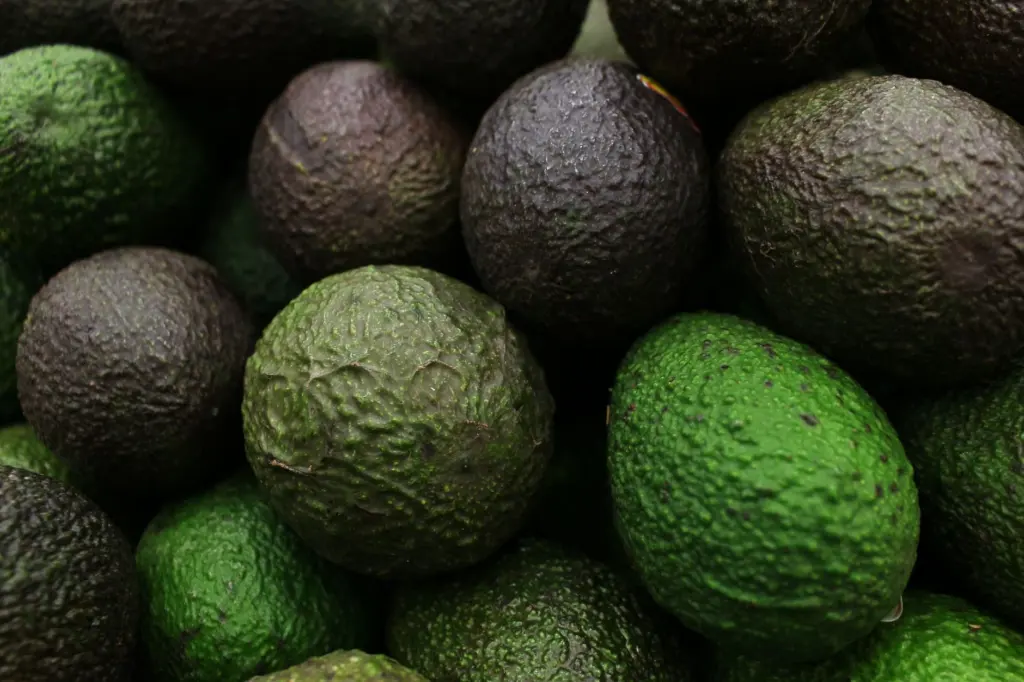
Press the bottom
To tell whether an avocado is fully ripe, press the bottom, the fat round end opposite the stem. Ripening runs from the stem end down, so the bottom softens last. A squishy bottom means the whole fruit has ripened. A bottom that is still firm means it is not there yet, even if the neck already gives.
Check the stem area and the middle
The area by the stem should have a little give when gently pushed, according to New Kid on the Guac. If it does not give at all, the avocado is underripe. A gentle squeeze around the middle can also catch fruit that has gone too far. If the flesh is easily indented and soft, chances are the avocado is already overripe.
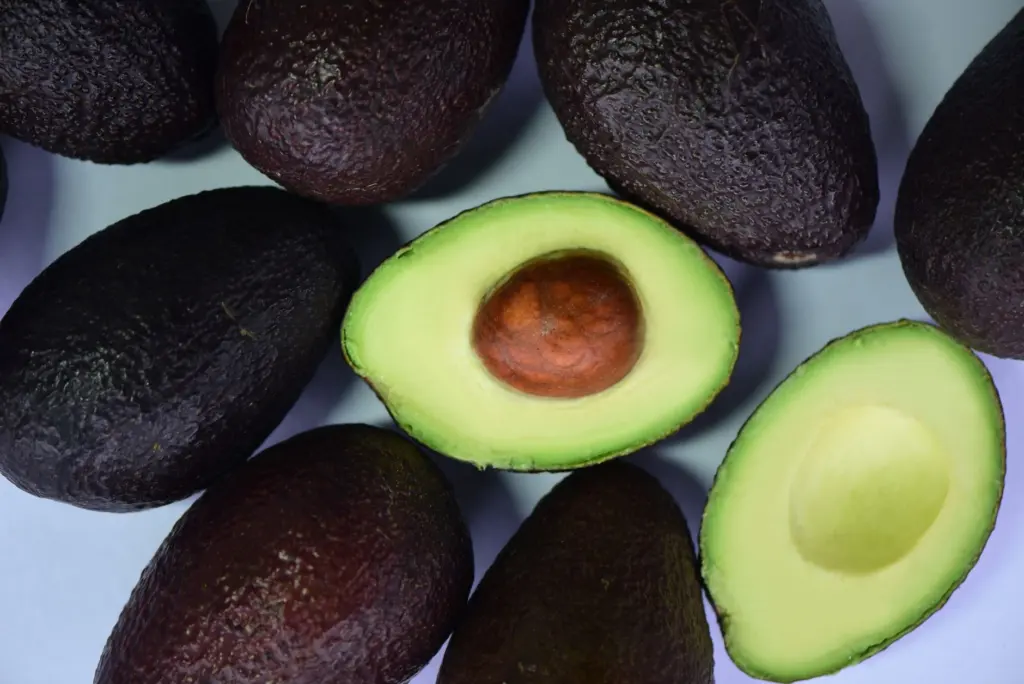
Reading the cues together
The cues work best as a set. Give near the stem with a firm bottom means the fruit is mid-ripening, and one more day in the bag or on the counter should finish it. Give at the stem and a squishy bottom means eat it now or move it to the refrigerator. Softness all the way through the middle, with easy indentation, means eat it today or expect disappointment.
Fitting ripening into your meal plan
Because ripening takes several days and cold pauses it, avocados reward planning. Start unripe fruit on the counter early, and use a bag and banana only when the schedule tightens. If the rest of a recipe also depends on an ingredient you may not have, the guides to Dairy‑Free Heavy Cream: Smart Swaps That Taste Like The Real Thing (2026 Kitchen Guide) – Asmallbite and Can You Substitute Dark Brown Sugar for Light Brown Sugar? How To Adjust Recipes And Get Perfect Results – Asmallbite cover two common swaps.
Frequently asked questions
Can I ripen an avocado in a plastic bag instead of paper?
Paper is the better choice. Plastic bags trap moisture and can lead to mold, according to Glad.
Does the banana trick work for other fruit?
Yes, for fruit that ripens the same way avocados do. The banana-in-a-paper-bag trick speeds up the ripening of any climacteric fruit, but not of non-climacteric fruit, per America’s Test Kitchen.
When should I throw an avocado away?
Discard avocados that are mushy, discolored, have mold near the stem or give off an off odor. Glad’s guide lists these signs.