| Substitute | Amount for 1 cup brown sugar | Effect | Planning use |
|---|---|---|---|
| White sugar | 1 cup, no other changes | Loses caramel flavor and color; cookies may be crispier and less chewy | Fine when the recipe does not depend on molasses flavor or chew |
| White sugar plus molasses | 1 cup white sugar + 2 tsp molasses (light) or 1 tbsp (dark) | Puts back the moisture, acidity and caramel flavor | The closest match in most recipes |
| Muscovado | Cup for cup | Sticky and clumps easily; light and dark styles | Sift it or add it gradually while mixing |
| Coconut sugar | 1:1, plus a little extra butter or oil in baked goods | Drier or denser result; milder, less molasses flavor | Good for baking when you can add a little fat |
| Maple syrup, honey or agave | 3/4 cup | Liquid sweetener, so the volume is reduced | Maple syrup suits muffins, pancakes and spiced bakes |
Amounts and effects come from My Sous Chef’s brown sugar substitution guide and Tasting Table’s article on brown sugar alternatives, which quotes a pastry chef on maple syrup.
What can I substitute for brown sugar? Muscovado swaps cup for cup and white sugar plus molasses recreates it closely; coconut sugar and syrups work with adjustments. The right choice depends on whether the recipe needs moisture, chew or molasses flavor.
The swap you pick matters most in baking, where brown sugar does more than sweeten. For related swaps in the same section of the site, see our guide to common cooking ingredient substitutions. If you are weighing a dairy swap for dinner instead, Creamy Pasta Without Heavy Cream: 7 Practical Substitutes That Taste Great – Asmallbite covers that decision. And if the same recipe calls for fresh ginger, How To Store Ginger: 7 Practical Ways To Keep It Fresh Longer (2026 Guide) – Asmallbite explains how to keep it.
What changes when you swap brown sugar
Any substitute shifts the finished dish in a few predictable ways, because brown sugar contributes moisture and flavor as well as sweetness. Knowing which of these your recipe relies on tells you which swap to reach for.
- Softness and moisture. The molasses in brown sugar adds moisture to baked goods, so the result is softer than with white sugar, according to Vocal’s comparison of the two sugars. A swap that removes molasses removes some of that softness.
- Flavor and color. My Sous Chef notes that molasses adds a slight acidity and a caramel flavor. Without it you lose the caramel flavor and color.
- Chew in cookies. Plain white sugar tends to give cookies that are crispier and less chewy. If chew is the point of the recipe, keep molasses in the mix.
- Dryness with dry swaps. Coconut sugar holds less moisture, so baked goods may turn out drier or denser and the flavor is milder and less like molasses. Adding a little extra butter or oil offsets this.
- Handling. Muscovado is sticky and clumps easily, so sift it or add it gradually while mixing.
In short, if the recipe is built on softness and caramel notes, choose a swap that keeps molasses. If it is only a sweet component, almost any option will do. The next section matches swaps to specific bakes.
Choosing a swap by recipe type
Chewy cookies, gingerbread and dark cakes
These recipes lean on molasses. Tasting Table lists molasses-based sweetening as best for gingerbread, chewy cookies, dark cakes and Christmas cake, which is why white sugar plus molasses is the sensible first choice here. Muscovado is a strong second, because it closely resembles brown sugar’s flavor and texture and comes in both light and dark styles, as The Kitchen Community describes it.
Muffins, pancakes and spiced bakes
Here a liquid sweetener works well. A pastry chef quoted by Tasting Table calls maple syrup perfect for muffins, pancakes, autumn cakes and anything with spices. Use 3/4 cup of maple syrup for every 1 cup of brown sugar, a reduction that the same source applies to honey and agave. The Kitchen Community gives honey a narrower range, 1/2 to 2/3 cup per 1 cup, so honey is the swap to measure most carefully.
Everyday baking where you want a dry swap
- Coconut sugar swaps 1:1 and keeps similar sweetness and texture, per The Kitchen Community. It suits bakers who want a dry sugar and do not mind a milder flavor. Add a little butter or oil to keep the crumb from drying out.
- Muscovado suits anyone who wants a near-identical result and does not mind a stickier sugar to measure.
- White sugar plus maple syrup is a pantry fix when there is no molasses; it comes up again under homemade brown sugar below.
Swapping white sugar for brown sugar, and the reverse
Yes, you can swap white sugar for brown sugar. Vocal notes that the two can be substituted for each other on a 1:1 ratio for many recipes, and My Sous Chef gives the same cup-for-cup swap with no other changes. The trade-off is flavor and texture.
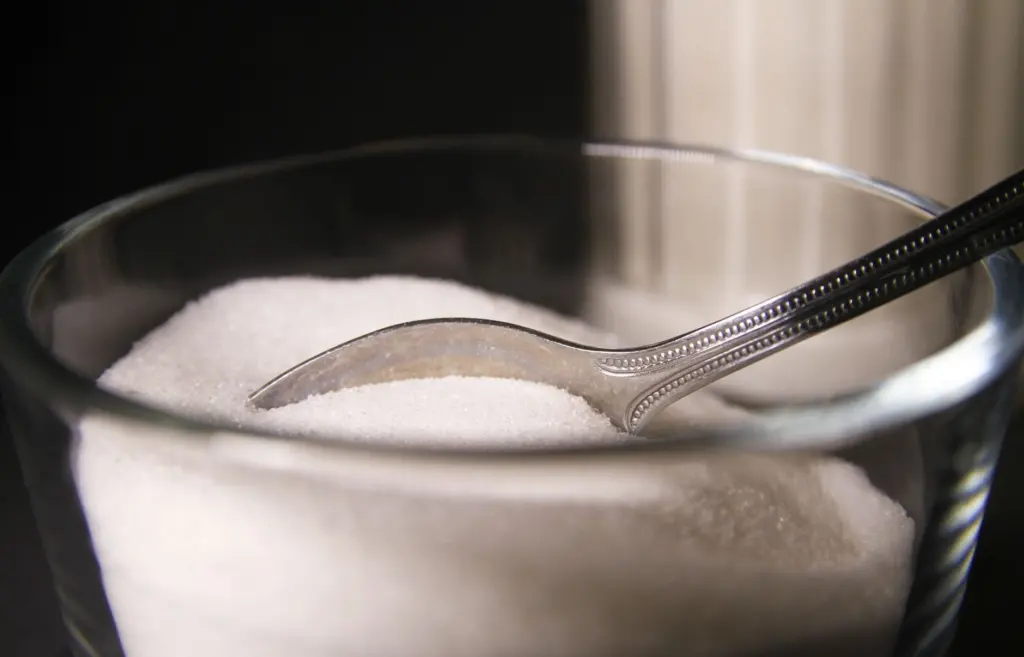
- White in place of brown. Expect paler bakes with less caramel flavor, and cookies that spread into crispier, less chewy rounds. This suits plain sweet recipes such as simple shortbread-style cookies or anything where chew is not the goal.
- Brown in place of white. Expect a softer finished product with a molasses note, since the molasses adds moisture. This is a deliberate choice when you want a moister bake.
- White with molasses added. If you want white sugar’s convenience but brown sugar’s result, add molasses back using the ratios in the homemade section below.
Dark versus light brown sugar
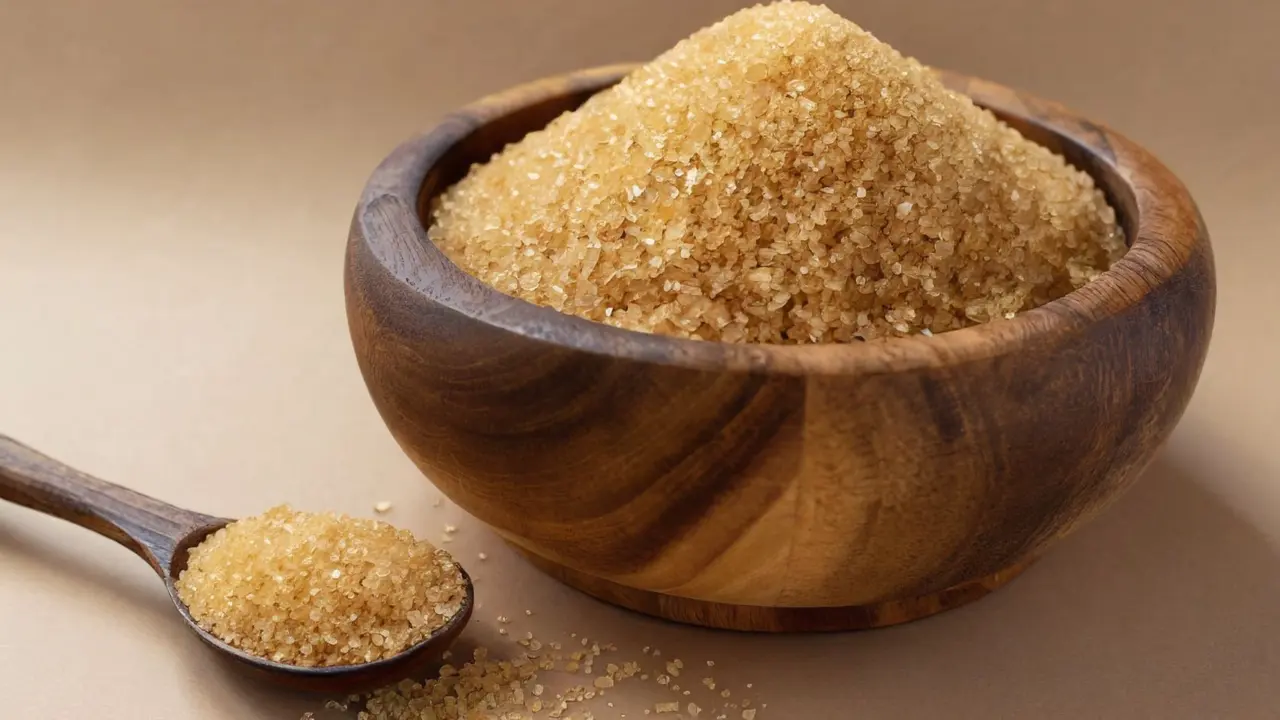
Brown sugar is white granulated sugar with molasses added back, in varying amounts, as described by Vocal. That amount is the whole difference between the two grades: according to The Kitchen Community, dark brown sugar contains about 6-6.5% molasses by weight, against about 3-3.5% for light.
This has two practical consequences. First, dark brown sugar brings a stronger molasses character, so choose it, or the dark version of a homemade mix, where molasses flavor is the point, as in gingerbread. Second, when you use muscovado, pick the light or dark style to match the grade the recipe names rather than assuming either one will do.
Making brown sugar at home
You make brown sugar at home by mixing white sugar with molasses, which is how brown sugar is produced commercially. Published ratios differ slightly in strength, so pick one and adjust to taste:
- By weight: 200 g of white sugar with 1 tablespoon of molasses for light brown sugar, or 2 tablespoons for dark, per Tasting Table.
- By volume, fuller: 1 cup of white granulated sugar with 1 tablespoon of molasses for light, or 2 tablespoons for dark, per The Kitchen Community.
- By volume, lighter: 1 cup of white sugar with 2 teaspoons of molasses for light, or 1 tablespoon for dark, per My Sous Chef.
If you prefer a mild molasses flavor, start with the lighter ratio. If a recipe is built around molasses, use the fuller one. Stir or rub the molasses through the sugar until the color is even and no pale streaks remain.
With no molasses in the cupboard, My Sous Chef suggests 1 cup of white sugar plus 1 tablespoon of maple syrup, noting that sources use 1 to 2 tablespoons of syrup per cup. This gives a gentler flavor than molasses but still adds some of the depth that plain white sugar lacks.
Frequently asked questions
Do brown sugar and white sugar differ in calories?
Barely. Vocal puts both at about 16 calories per teaspoon, so the choice is about flavor and texture rather than energy.
Can I swap brown sugar in a canning recipe?
No. My Sous Chef advises against swapping brown sugar in a tested canning or preserving recipe, so use exactly what the recipe specifies.
Which molasses should I use for homemade brown sugar?
Light molasses is the usual choice. Blackstrap is less sweet and can taste bitter, which makes it a poor fit unless you want a pronounced, bitter edge.
How should I store homemade brown sugar?
Keep it in an airtight container to maintain freshness, as The Kitchen Community advises.