The easiest substitute for buttermilk is milk with 1 tablespoon of lemon juice or white vinegar per 1 cup, stirred and left to thicken for 5 minutes. Use it 1:1 in baking; thick yogurt or sour cream thinned with water also works.
The swap only works if it supplies acid, so choose by what is in your fridge and what you are baking. Other pantry stand-ins are collected under common cooking ingredient substitutions.
Why buttermilk matters in a recipe
Buttermilk contributes acid, and acid is the part a substitute must replace. According to My Baking Addiction, the lactic acid in buttermilk reacts with the leavening (baking soda) in baked goods and gives them a light texture. The same source notes that buttermilk also helps keep baked goods moist.
That explains the pattern behind every swap below. Plain milk is liquid but not acidic, so a recipe built around baking soda and buttermilk needs an added acid to get the same lift. A thick cultured dairy product brings its own tang but has to be thinned until it pours like the original.
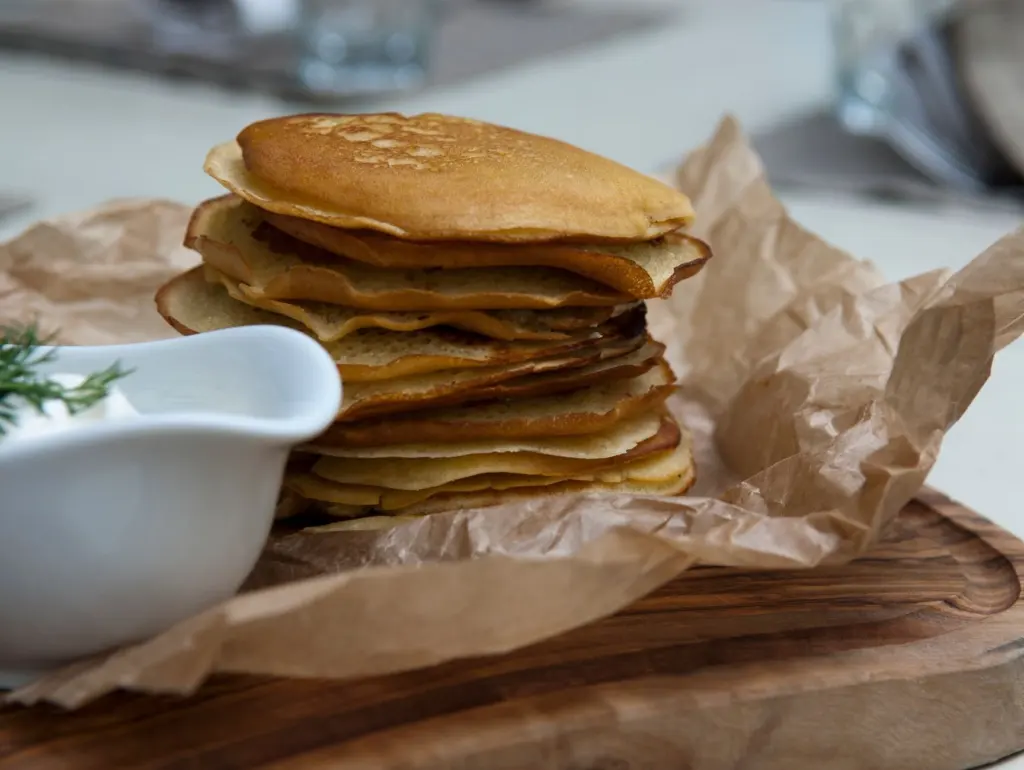
Buttermilk shows up across a wide range of recipes. My Baking Addiction lists buttermilk biscuits, cakes, pancakes, waffles and fried chicken, and Delish names fluffy pancakes, homemade biscuits, red velvet cake and blueberry scones among its favourites. Because the acid does the same job in each, one reliable swap covers most of them. The details of mixing it are where results differ.
Milk with lemon juice or white vinegar
Milk plus lemon juice or white vinegar is the default swap. It uses ingredients most kitchens already have, and both sources describe using it cup for cup in place of buttermilk. The Taste of Kosher gives the same amount for either acid: 1 tablespoon of lemon juice or 1 tablespoon of vinegar, with milk added up to the 1 cup (237 mL) line.
Mixing it in order
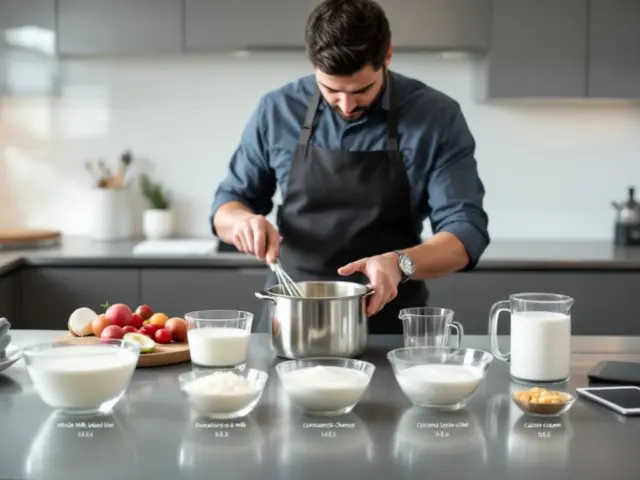
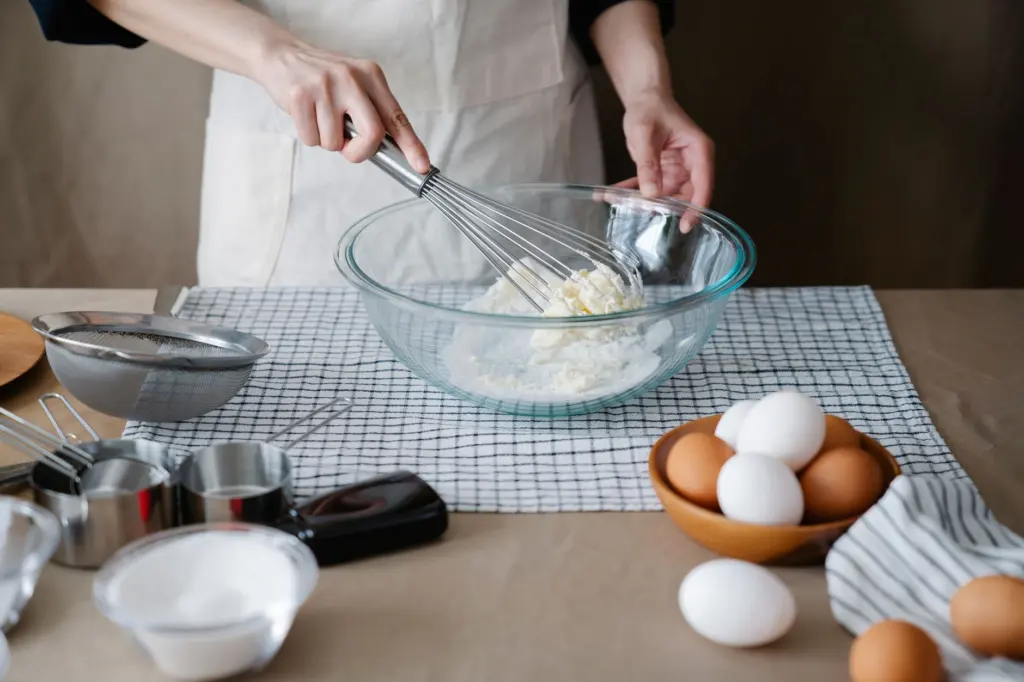
- Measure the acid first. Put 1 tablespoon of white vinegar or lemon juice into a liquid measuring cup.
- Add the milk. Pour milk in until it reaches the 1 cup line. Filling the cup after the acid keeps the total volume correct, so the batter stays at the intended consistency.
- Stir and rest. My Baking Addiction suggests resting the mixture for 5 minutes, after which the milk thickens and curdles slightly. Delish allows 10 minutes or until thickened.
- Use it cup for cup. Add it to the recipe wherever buttermilk is listed, in the same volume.
The two rest times are not a conflict. The shorter one gives a lightly thickened liquid; the longer one is a safe ceiling if your milk is still thin. Judge by appearance: when the milk looks slightly curdled and thicker than plain milk, it is ready.
Choosing the milk and the acid
My Baking Addiction typically uses whole milk with fresh lemon juice, and says bottled lemon juice also does the trick. White vinegar is an alternative, at the same 1 tablespoon per cup for either acid. Non-dairy milk does not curdle the same way as dairy milk, but can still be used in most recipes.
Plain yogurt and sour cream
Yogurt and sour cream already carry acidity, so they replace buttermilk by being thinned rather than acidified. Delish gives two ratios for 1 cup of substitute-style buttermilk:
- Plain yogurt: 1 cup plain whole milk yogurt with 1/3 cup water (or milk).
- Sour cream: 1/2 cup sour cream with 1/2 cup water (or milk).
Delish says to use these mixtures just as you would actual buttermilk, cup for cup. Stir until the mixture is smooth and pourable before measuring it into the batter. Thinning with milk instead of water is an option the source allows, and it is the better pick when you want to avoid diluting the dairy flavour.
These swaps suit a cook who has yogurt or sour cream open and no lemons or vinegar. They need no rest, so they are also the quicker route when a recipe is already half mixed. The trade-off is that you are measuring two ingredients rather than adding a spoonful of acid to milk. Cream is a different dairy swap with its own rules, covered in Whipping Cream Vs Heavy Cream: Can You Substitute Without Ruining Your Recipe? – Asmallbite.
Dairy-free milk and cream of tartar
Non-dairy milk can stand in for dairy milk in the acid method, with one caveat. My Baking Addiction notes that non-dairy milk will not curdle in the same way dairy does, but it can still be used in most recipes. Expect a thinner result than the dairy version and rely on the acid for the chemistry.
The Taste of Kosher says soy milk curdles well and almond milk is fine too. Soy is therefore the most dependable pick when you want visible thickening from lemon juice or vinegar.
Using cream of tartar
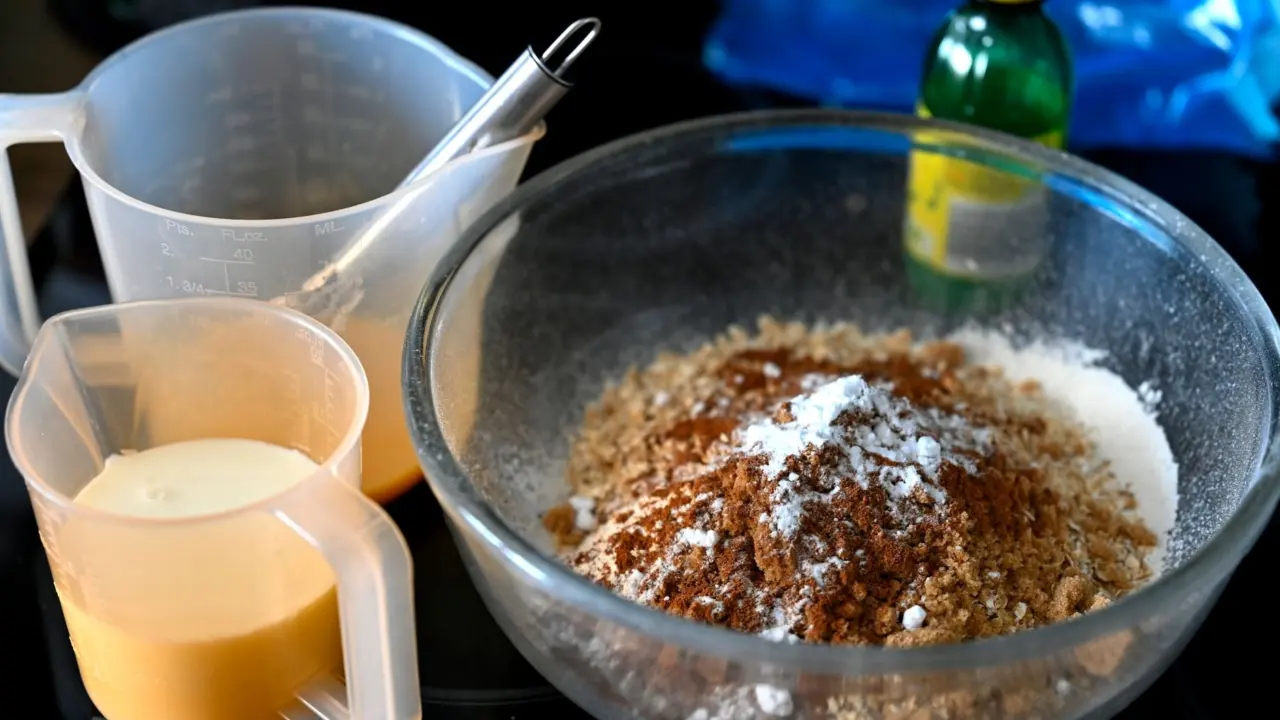
Cream of tartar is an alternative acid for dairy-free milk. The Taste of Kosher uses 1 3/4 teaspoons per 1 cup (237 mL) of milk. It warns that cream of tartar clumps if stirred directly into milk, so mix it with the dry ingredients first or add the milk gradually. This approach changes the order of work: the acid goes into the flour mixture, and the milk is added with the other wet ingredients.
Matching the swap to the bake
The swaps are used cup for cup by volume, so the practical choice is about what you have on hand and how you want to mix. This table pulls the measures together.
| Swap | Per 1 cup of buttermilk | Rest | Planning use |
|---|---|---|---|
| Milk + lemon juice | 1 tablespoon lemon juice, milk added to the 1 cup (237 mL) line | Stand 10 minutes or until thickened | Default choice for pancakes, biscuits and cakes. |
| Milk + white vinegar | 1 tablespoon vinegar, milk added to the 1 cup (237 mL) line | Stand 10 minutes or until thickened | Same amount as lemon juice, with no citrus note. |
| Plain whole milk yogurt | 1 cup yogurt + 1/3 cup water (or milk) | None needed | Good when yogurt is already open; stir until smooth. |
| Sour cream | 1/2 cup sour cream + 1/2 cup water (or milk) | None needed | Thin fully before measuring into the batter. |
| Dairy-free milk + cream of tartar | 1 3/4 teaspoons cream of tartar per 1 cup (237 mL) milk | Mix into dry ingredients first | Avoids clumping; best with soy or almond milk. |
Amounts come from Delish and The Taste of Kosher.
For pancakes and biscuits the answer is yes: you can use any of these 1-for-1 in your favourite recipe. My Baking Addiction says the milk-and-acid substitute can go straight into baking recipes in the same amount, and Delish names pancakes and biscuits among the recipes it applies to. Waffles and cakes are on the same list of buttermilk recipes, so the swap carries over to them too.
Fried chicken, mentioned by My Baking Addiction as a buttermilk use, is a different job from baking, so the guidance here applies to batters and doughs. For another pantry swap that depends on texture, panko vs breadcrumbs follows the same match-the-job approach.
Frequently asked questions
Is lemon juice or vinegar better in the milk swap?
Neither is better. The Taste of Kosher gives 1 tablespoon of either per 1 cup of buttermilk replaced, so choose lemon juice for a mild citrus note or white vinegar for none.
Can I use bottled lemon juice?
Yes. My Baking Addiction typically prefers fresh lemon juice but says bottled will also do the trick.
Will almond or soy milk curdle like dairy milk?
Not in the same way. Non-dairy milk does not curdle like dairy, though soy milk works well and almond milk is fine, according to The Taste of Kosher.
What is real buttermilk?
Buttermilk was originally the liquid left behind after churning butter from cultured cream, according to The Taste of Kosher.