What is the national dish of Spain? Spain has no single national dish. Paella, from Valencia, is the most recognised symbol of Spanish cuisine, while tortilla española, gazpacho and jamón each have strong national standing.
The reason lies in how Spanish food developed, region by region. The same pattern helps when you compare other countries, as in Bacalhau And Beyond: The Complete Guide To Portugal’s National Dish In 2026 – Asmallbite, where a neighbouring country faces a similar question.
Why Spain has no single national dish
Spain’s food identity is built from regional dishes that spread outward, so no one recipe stands for the whole country. ThinkSpain notes that while some dishes are considered national, many have strong regional roots, and that several dishes are treated as national treasures enjoyed across most of Spain. The answer to the headline question is therefore a shortlist, not a winner.
Four causes explain the shortlist, in the order they matter:
- Regional roots come first. Each famous dish started with local produce and local cooks. Paella is tied to Valencia, and gazpacho is typical of several regions rather than one.
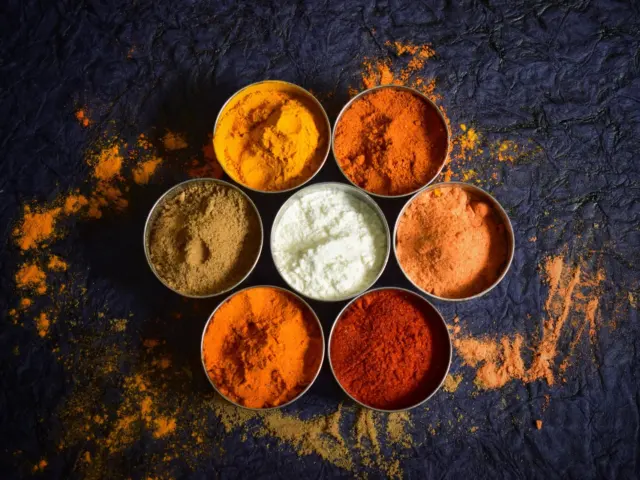
- Cultural exchange added ingredients. ThinkSpain describes Spanish cuisine as the product of centuries of cultural exchange and historical influences. Moorish rule is one example, bringing almonds, citrus fruits and spices such as saffron and cumin.
- Several dishes spread nationwide. Because more than one regional dish became common across most of Spain, none gained a clear lead over the others.
- One dish became the outside symbol. Paella is widely described as a symbol of Spanish cuisine, which is why visitors and menus abroad treat it as the default answer.
The practical implication: if someone asks for “the” Spanish dish, name paella as the best-known emblem, then add that the title is shared. That answer is accurate, and it avoids dismissing the dishes that Spaniards eat far more casually.
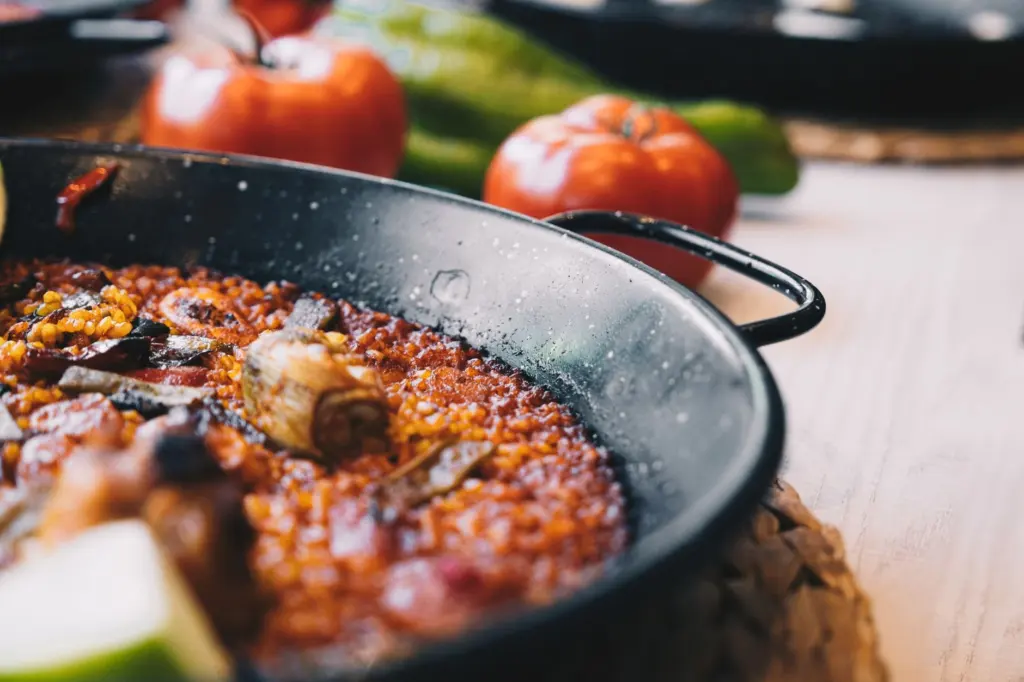
Paella: the symbol with Valencian roots
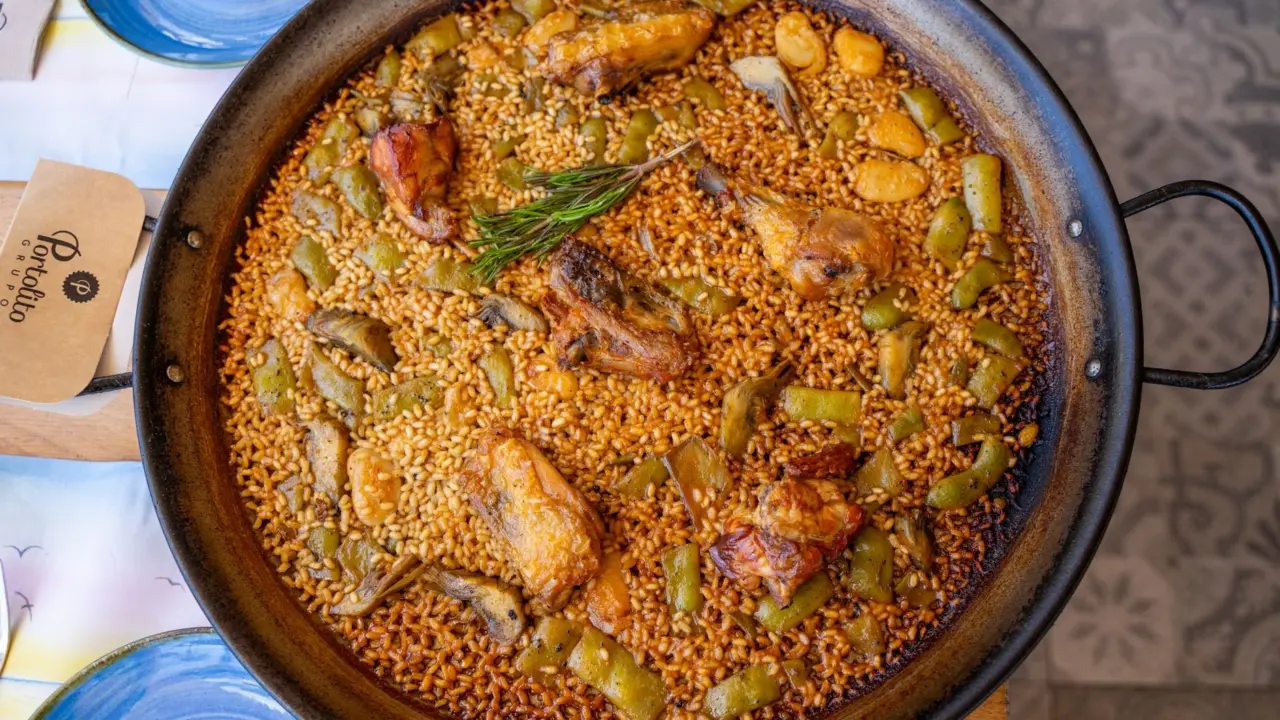
Paella is a traditional Spanish rice dish that originated in the region of Valencia, on Spain’s Mediterranean coast, according to The Paella Club. ThinkSpain calls it an iconic rice dish from Valencia and a symbol of Spanish cuisine. Both statements are true together: it is a regional dish that has been adopted as a national emblem.
Ingredients and technique
Early countryside paella relied on what was locally available: typically rabbit, chicken, green beans, tomatoes, olive oil and locally grown rice. The rice is short-grain, usually Bomba. Saffron gives it a distinctive colour and aroma, and it reached Spain through the Moorish influence on its cuisine.
The technique has one famous rule. Once the rice starts cooking, it should never be stirred. That restraint lets the thin layer of crispy caramelised rice, the socarrat, form at the bottom of the pan. For a cook or a diner, the socarrat is the quickest sign that the dish was made in the traditional way.
Valencian, seafood and mixed paella
Valencian, seafood and mixed paella are different recipes, each with its own ingredients and traditions. That answers the common confusion over whether “paella” means seafood: it does not, and the Valencian original is a meat-and-vegetable dish.
Spain’s tourism board says many claim that the genuine Valencian paella is made with Valencian rice, chicken, rabbit and snails, seasoned with garlic, tomato, ground red pepper, olive oil, salt and saffron (Spain.info). ThinkSpain adds that Valencian paella features rabbit and chicken, unlike other regional versions. Seafood paella replaces that land-based base with seafood, and mixed paella combines the approaches.
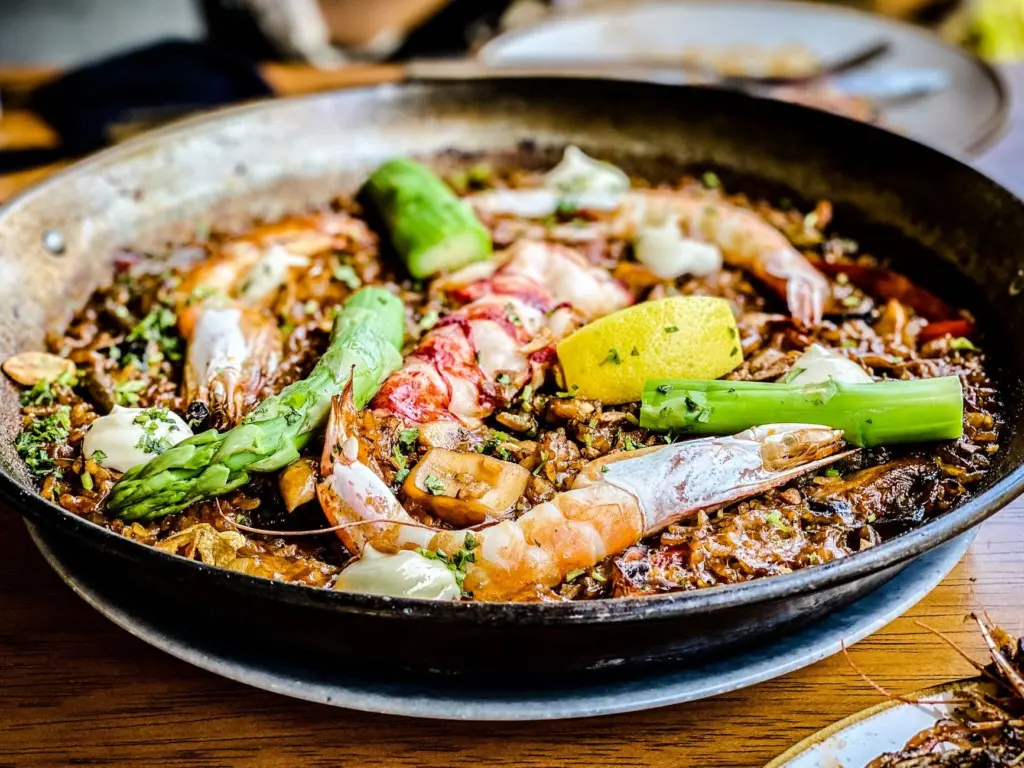
Which one to choose depends on what you want to taste. Pick Valencian paella for the traditional countryside recipe and its earthy meats and beans. Pick seafood paella if you prefer a coastal style. Look at the menu for the recipe name, because a place that distinguishes Valencian from seafood or mixed is showing it knows the difference. Rice cooked in other ways also exists in Valencia, such as fideuà, a noodle-based paella.
The other contenders and what they stand for
Beyond paella, three dishes recur whenever people list the main Spanish dishes. Each has a different claim: tortilla española for everyday ubiquity, gazpacho for summer and regional spread, and jamón for prestige.
| Dish | Regional link | Core ingredients | Planning use |
|---|---|---|---|
| Paella | Valencia | Short-grain rice, saffron, olive oil, with rabbit and chicken in the Valencian recipe | Order it as the emblem dish, and check which recipe is on offer |
| Tortilla española | Regarded as the typical Spanish dish across the country | Eggs and potatoes at minimum | The easy, familiar option for a quick bar meal |
| Gazpacho | Extremadura, Andalusia and Castile-La Mancha, among others | Tomatoes, peppers and garlic in the popular Andalusian version | A cold choice for hot weather |
| Jamón ibérico de bellota | Iberian pig country | Ham from acorn-fed Iberian pigs | A tasting-plate choice rather than a main course |
Details here come from Spain.info and ThinkSpain.
Tortilla española
Spain.info describes tortilla española as regarded as the typical Spanish dish par excellence, and says it definitely has to have eggs and potatoes. ThinkSpain describes the same omelette as made with potatoes, onions and eggs. If you want the dish that best matches “typical” rather than “famous abroad”, tortilla is the stronger candidate.
Gazpacho
Gazpacho is a traditional cold soup typical of several regions, including Extremadura, Andalusia and Castile-La Mancha. The Andalusian version is the most popular, made with tomato, peppers and garlic. ThinkSpain adds cucumbers and calls it a summer favourite in Andalusia. Because it is tied to a hot-weather season, it is a poor fit for an all-year national symbol, but a good fit for a summer menu.
Jamón
ThinkSpain treats Jamón Ibérico de Bellota as the pinnacle of Spanish cured ham. It comes from acorn-fed Iberian pigs and is prized for its rich flavour and melt-in-your-mouth texture. Of the four contenders it is the least a cooked dish and the most a product, which is why it sits more naturally beside paella than against it.
Choosing and talking about Spain’s dishes
Treat “national dish” as a conversation about identity, not a ruling. The most useful approach for a visitor or a writer is to match the dish to the occasion.
- For a symbol of Spain: use paella, and name Valencia as its home.
- For everyday eating: tortilla española is the dish regarded as typical.
- For warm weather: gazpacho suits the Andalusian summer table it is associated with.
- For a special plate: Jamón Ibérico de Bellota is the top tier of cured ham.
Spain is not unusual in having celebration foods that carry regional memory. The same idea runs through A Taste Of German Christmas: Essential Traditional Foods And Where They Come From – Asmallbite, and the wider theme is explored in traditional holiday foods around the world.
Frequently asked questions
Does the word paella name the dish or the pan?
It originally refers to the pan. The word comes from the Valencian word for the pan used to cook the rice, and it was later applied to the dish itself.
Should tortilla española contain onion?
That is disputed. Spain.info notes that some insist the genuine Spanish omelette is made without onion. Everyone agrees on eggs and potatoes; onion is the point of disagreement.
What is fideuà?
Fideuà is a noodle-based paella from Valencia, one of the rice-adjacent dishes found there alongside paella itself.
Why does paella use saffron?
Saffron gives the rice its distinctive colour and aroma. The spice reached Spain through Moorish influence on its cuisine, which ThinkSpain lists alongside almonds, citrus fruits and cumin.