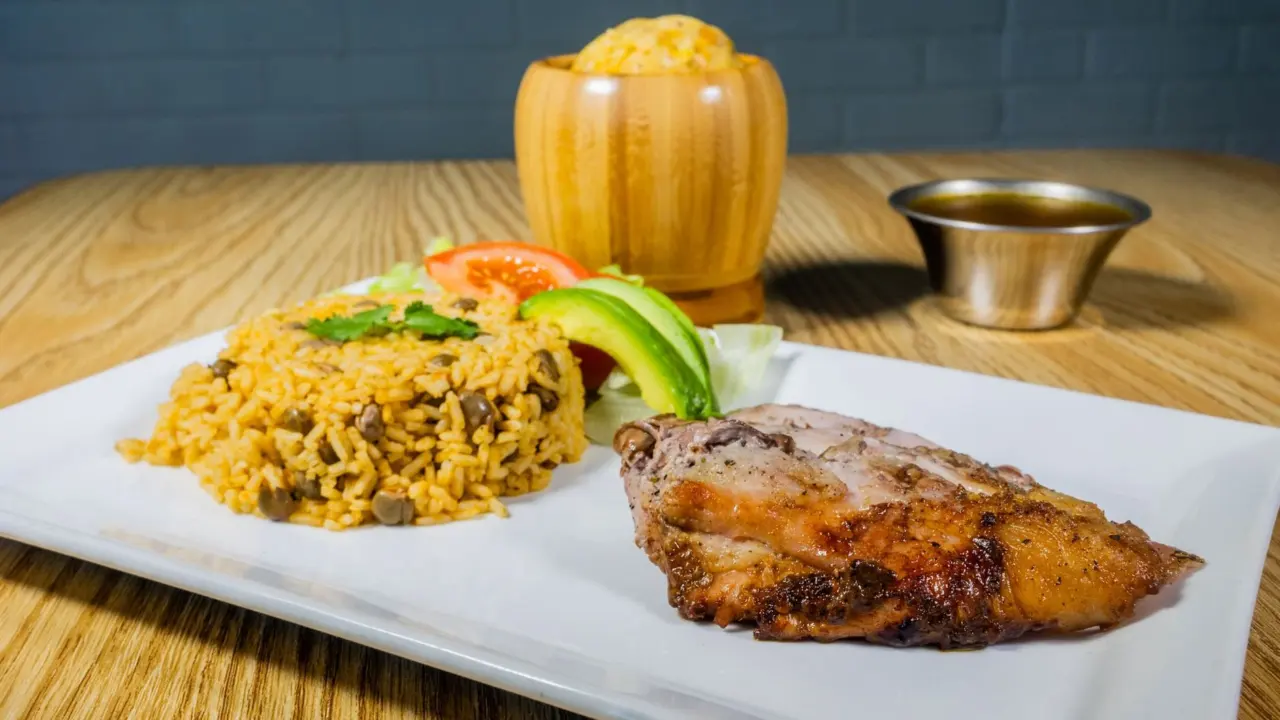
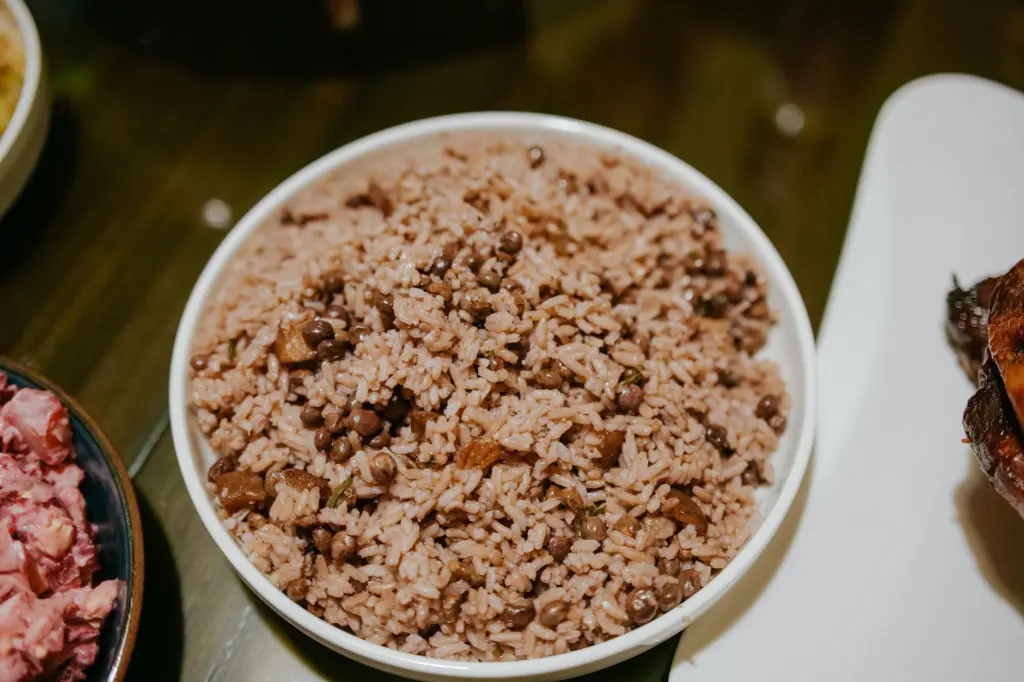
Ask for the national dish of Puerto Rico and you might expect a plain side of rice. The answer is arroz con gandules, medium-grain rice simmered with pigeon peas (gandules) and sofrito, which Puerto Rican cooks count together with pernil.
The dish is easier to cook than its reputation suggests, but it is easy to misread. For other plates that carry a country’s identity, browse the guides on traditional holiday foods around the world. The sections below correct the most common misunderstandings, then walk through the ingredients and a home method.
What the national dish actually includes
Arroz con gandules is not a throwaway side. Mother Jones describes it as the island’s national dish, and a Puerto Rican recipe blog frames it as part of the national dish, along with pernil. In practice, the rice and the roast pork belong on the same plate. If you serve one without the other, you are serving half of the idea.
| Common assumption | What the dish involves | Planning use |
|---|---|---|
| It is just a rice side | Counted as part of the national dish together with pernil | Plan the rice and the pork as one meal |
| Sofrito is onion and garlic | Green peppers, onion, garlic, ajíes dulces and recao (culantro); another version adds tomatoes and cilantro | Gather the full herb and pepper list before you start blending |
| Gandules are ordinary green peas | Small, oval, nutty beans sold fresh, frozen, canned or dried | Buy by the form you can find; a 15 oz can, drained and rinsed, is one recipe’s measure |
| The flavors are purely Spanish | Spanish pork, African pigeon peas and Taíno recao | Keep all three in the pot to stay true to the dish |
The sofrito and bean details come from Delish D’Lites, and the tomato, cilantro and origin details from Mother Jones.
The table also shows why ingredient lists for this dish look different from one cook to the next. Sofrito has no single fixed formula, so treat the lists as a guide to the family of flavors rather than a rigid specification.
Where arroz con gandules comes from
It is a mistake to treat the dish as simply Spanish. Puerto Rican cuisine is described as an amalgamation of cooking styles adopted from the Spanish, African and Taíno people, and the ingredients in this pot show each influence.
Spanish, African and Taíno threads
Mother Jones traces the parts of the dish individually: the pork is Spanish, the pigeon peas are from Africa, and recao is Taíno. The same article explains that the Spanish brought rice expecting the Taíno to know how to cultivate it, and they did not. It was enslaved Africans, brought to work the sugarcane plantations, who made the rice crops flourish. Rice is a West African staple, which is why the grain at the center of the dish has an African story as well as a Spanish one.
Colonial history on the plate
The same writer ties the dish to the island’s colonial past, noting rule first by Spain and then by the United States from 1898 to the present day. She says that history “comes straight to the table” in the national dish. The practical lesson for a cook is that the pot is a record of who brought what, so omitting an ingredient changes the story as well as the flavor.
Ingredients and sofrito
The ingredient list is short, but each item has a job. Quantities below come from one recipe that serves eight, so scale them to your pot and your crowd.
Sofrito: the flavor base
Sofrito is the aromatic base of Puerto Rican cooking. One recipe defines it as a blend of green peppers, onion, garlic, sweet Caribbean peppers known as ajíes dulces and recao, also called culantro. Mother Jones lists a slightly different blend: tomatoes, garlic, yellow onion, sweet green peppers, cilantro and culantro. If you cannot find ajíes dulces, any sweet green pepper is the closest listed alternative. Culantro and cilantro are separate herbs in these lists, so do not swap one for the other without noticing the change.
Rice, gandules and seasoning
- Rice: Medium-grain rice is the usual choice. The recipe behind the serving guidance here uses parboiled rice.
- Gandules: Use a 15 oz can, drained and rinsed, or 2 cups of fresh or frozen pigeon peas. They are small, oval and nutty.
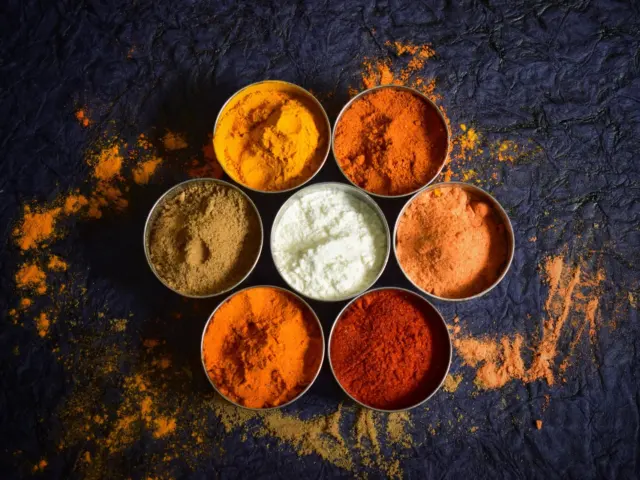
- Sazón: This seasoning blend is typically cumin, cilantro, ground annatto (achiote) and ground pepper. It is the main place annatto enters the pot.
- Pork and stock: Puerto Rican cooks like to use sazón, bacon and chicken stock to flavor the dish, so the pork supplies savory depth alongside the sofrito.
- Liquid: The recipe calls for 3 cups of water or low-sodium chicken broth for the 2 cups of rice.
Taken together, the pork and sazón carry the savory weight while sofrito supplies the herbal, peppery top note. Adjust the salt only after the sazón and stock are in, since both can already be seasoned.
Making arroz con gandules at home
The method rewards patience more than skill. The pot should be heavy and wide enough for the rice to cook in a shallow layer. The traditional vessel is a caldero, a word that literally translates to cauldron, though any heavy pot with a tight lid is a sensible substitute.
- Build the base. Cook the bacon, then add the sofrito and sazón so the aromatics pick up the rendered flavor.
- Add rice and gandules. Stir in the rice and drained pigeon peas, then pour in the water or chicken stock.
- Bring it to a simmer. Do not stir the rice once it begins simmering; stirring is the step the recipe warns against.
- Cover and steam. Lower the flame to low and let the rice steam for 20-25 minutes, covered.
- Serve with pernil. Present the rice alongside roast pork, the pairing that completes the national dish.
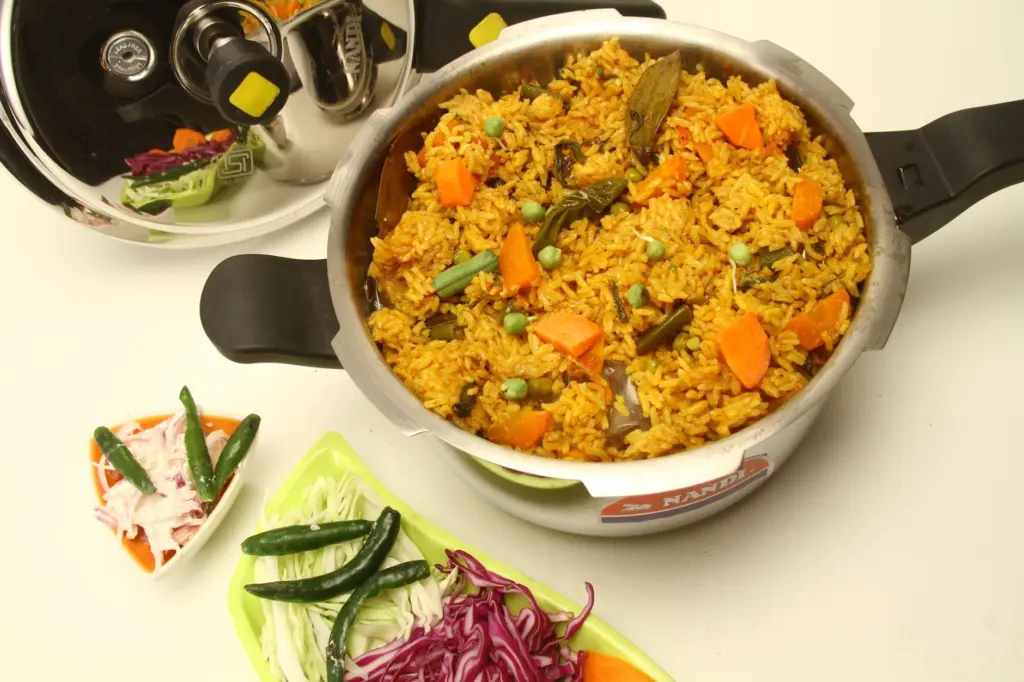
The lid and the low flame matter most. They let the rice finish in trapped steam rather than boiling hard, and leaving the pot alone is what keeps the grains from turning mushy. If the base smells rich and herbal before the rice goes in, you are on track.
Compare other national dishes
Puerto Rico’s pot is one of several plates that stand in for a whole country. For a very different approach built around fire and beef, read Asado: The Heartbeat Of Argentina — The Complete 2026 Guide To The Nation’s Beloved Dish – Asmallbite. For a loaded platter with its own regional story, see What Is Colombia’s National Dish? The Story, Recipe, and Cultural Meaning of Bandeja Paisa (2026 Guide) – Asmallbite.
Frequently asked questions
| Question | Answer |
|---|---|
| How long do leftovers keep? | Cooked arroz con gandules keeps in the refrigerator for up to 3 days and in the freezer for about a month. |
| What can replace pigeon peas? | One recipe says you can substitute canned pinto, pink or red beans if you cannot find gandules, though the flavor will differ from the nutty original. |
| How many people does one pot serve? | The recipe used here makes a generous potful from parboiled rice, so scale the rice and liquid together for a larger group. |
| What is recao? | Recao, also called culantro, is a sofrito herb listed alongside cilantro, and Mother Jones links it to the Taíno. |