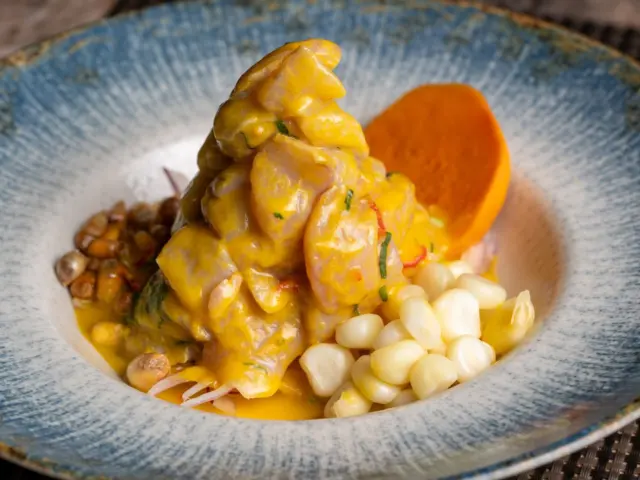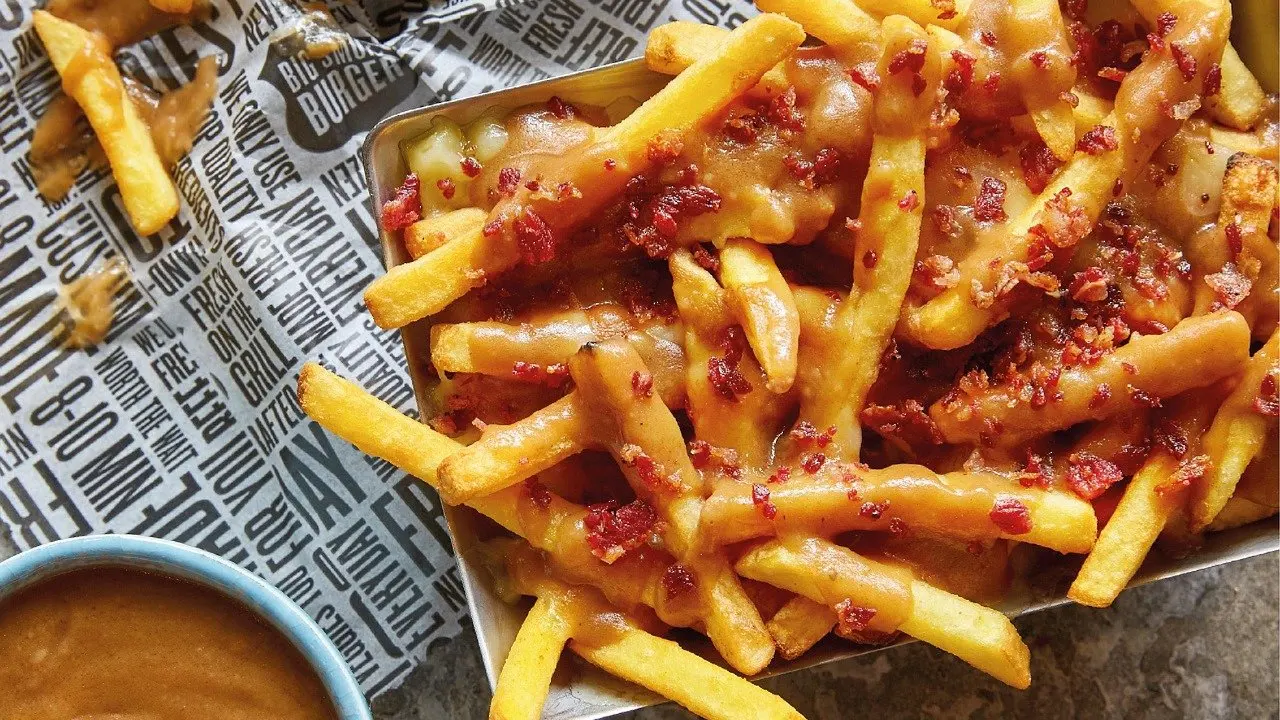
The national dish of Canada has no single settled answer, but poutine, which is fries topped with gravy and cheese curds, born in Quebec in the 1950s, is the dish named most often. Regional favourites and Indigenous foods fill out the rest of the picture.
Poutine is one thread in a wider story about how countries pick foods to stand for them, which you can follow further in our guide to traditional holiday foods around the world.
Why poutine is the usual answer
Poutine earns the title through repeated use, not through an official ruling. A Canada Day feature in West Central states that poutine is considered Canada’s national dish, originating in Quebec in the 1950s. A Province of Canada blog post answers the same question differently: Canada has many.
Both statements can be true. If you need one dish for a quiz, a menu theme or a Canada Day table, poutine is the safest answer because it is the one most people will recognise. If you are describing Canadian food honestly, treat poutine as the headline and the other dishes below as equally real regional claims.
The reason no single plate can speak for everyone is the mix behind the cuisine. According to World Cup of Food, today’s Canadian table reflects three main influences: French, British and First Nations. A dish from any one of those traditions leaves the others out, which is why the debate never fully closes.
Where poutine came from
Quebec in the 1950s
Poutine originated in the province of Quebec, and the dish dates to the 1950s, according to Chopsticks and Forks. World Cup of Food adds that it appeared in French-speaking Quebec sometime in that decade and describes it as a French-Canadian twist on French fries, topping the fried potatoes with gravy and cheese curds.
A birthplace nobody can prove
Several towns claim to be poutine’s birthplace, but World Cup of Food notes that none has an iron-clad claim. In practice, that means you can say with confidence that poutine is a Quebec dish from the 1950s, and you should be cautious about naming a specific town or restaurant as its inventor.
What goes into a traditional poutine
Traditional poutine is three components built into one dish: French fries, gravy and cheese curds. The appeal comes from combining hot, salty and soft elements, so each part matters.
Fries
A home recipe published by West Central starts with 2 large baking potatoes, scrubbed and tossed with 1 tablespoon of olive or vegetable oil. Sturdy baking potatoes suit the job because the fries have to carry hot gravy.
Cheese curds
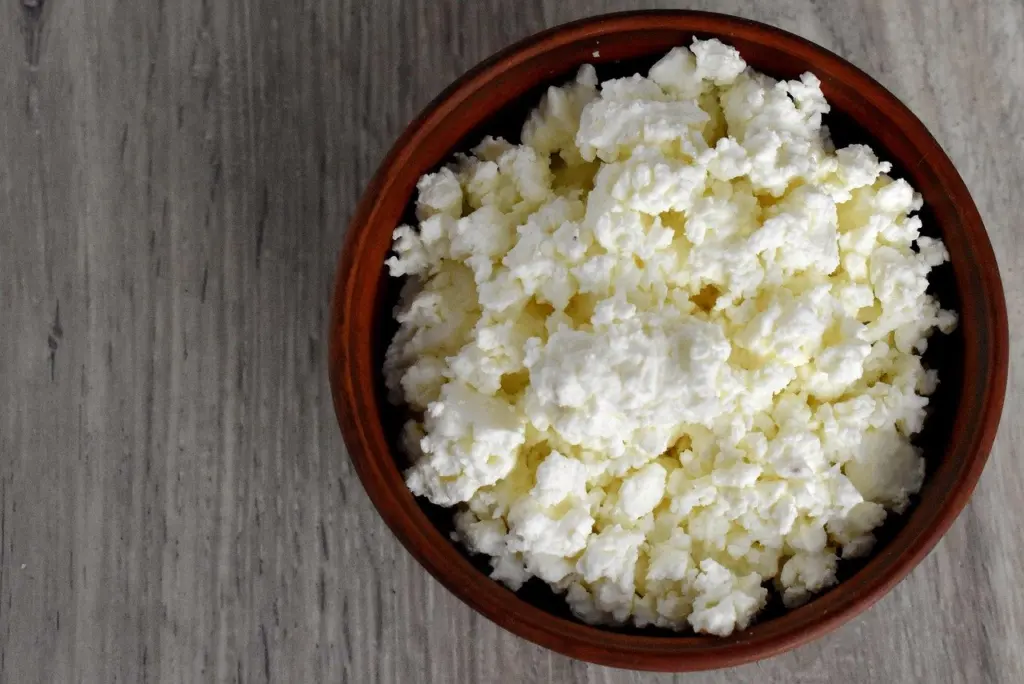
Cheese curds are the ingredient that separates poutine from gravy fries. The Poutine Kitchen explains that cheddar cheese curds are traditionally used. Substituting shredded cheese changes the dish, so choose curds if you want the classic result.
Gravy
The West Central recipe builds its gravy from 1/4 cup of butter, 1/4 cup of all-purpose flour and 1 1/4 cups of condensed beef broth. It flavours the base with 1/2 diced yellow onion, 2 minced garlic cloves and 1/2 teaspoon of dried thyme. The gravy has to be hot, because its heat is what warms the curds.
Making poutine at home
A homemade poutine is quick once the gravy is ready, and the order of assembly matters more than any single ingredient. The same West Central recipe gives this sequence:
- Prepare the potatoes. Scrub the baking potatoes, cut them into fries, toss them with oil and cook them.
- Make the gravy. Combine butter, flour and condensed beef broth, with the onion, garlic and thyme.
- Set out the curds. Measure 8 ounces of cheese curds and let them come to room temperature.
- Layer the dish. Put the hot fries in a bowl and scatter the curds over them.
- Finish and serve. Pour very hot gravy over the fries and cheese, then serve immediately.
Serving immediately is the key instruction. Leave the dish standing and the fries lose their texture, so assemble it at the table or just before everyone sits down.
Variations on the classic
Once the base is right, poutine takes toppings well. For a heartier plate, West Central suggests pulled pork, chopped bacon, ground sausage or taco meat. Restaurants go further: Chopsticks and Forks notes versions that range from lobster to foie gras.
Home cooks should add one topping at a time. A single meat over the classic base keeps the curds and gravy in balance, while fancy restaurant versions are better ordered than attempted at home.
Other dishes that represent Canada
Poutine is not the only Canadian dish with a documented origin. Several others are tied to specific towns and provinces, and these are often the answer when someone asks what else counts as Canadian.
| Dish | Place | Defining detail | Planning use |
|---|---|---|---|
| Poutine | Quebec | Fries, gravy and cheese curds; dates to the 1950s | The most common single answer to the national dish question |
| Butter tart | Barrie, Ontario | Earliest known recipe linked to Don’s Bakery | A good Ontario pick for a baking-focused menu |
| Nanaimo bars | Nanaimo, British Columbia | A treat from the town of Nanaimo | A west-coast dessert for a Canadian spread |
| Hawaiian pizza | Chatham, Ontario | Created by a restaurant owner in the 1960s | A surprising Canadian origin for a trivia round |
The details come from Chopsticks and Forks and the Province of Canada blog.
If you want a menu that spreads across the country, pair poutine with a sweet from British Columbia or Ontario. Each dish then represents a place instead of competing for one title.
Maple syrup and Indigenous foods
Indigenous food has a direct claim on any answer. World Cup of Food describes maple syrup as a Canadian invention developed by the First Nations peoples of Canada’s Atlantic coastal region centuries ago. That history makes maple syrup a stronger candidate for a Canadian flavour than most dishes invented in the last century.
Indigenous cooking is also a living restaurant tradition. Chopsticks and Forks reports that Pow Wow Cafe in Toronto’s Kensington Market has served Ojibwe-style tacos since 2016. If you are travelling, look for Indigenous-run kitchens alongside the famous poutine counters.
Choosing your own answer
For a short answer, say poutine. For a fuller one, say that poutine is the best-known symbol of a country whose food comes from French, British and First Nations roots, with local specialties from Ontario to British Columbia.
National dishes also tend to travel alongside national holidays. To see how a harvest meal became a national occasion, read The History Of Thanksgiving: From Harvest Feasts To A National Holiday (A Concise 2026 Overview) – Asmallbite. For a contrast with a country whose festive foods follow a more fixed calendar, see A Taste Of German Christmas: Essential Traditional Foods And Where They Come From – Asmallbite.
Frequently asked questions
What is split pea soup based on?
According to Chopsticks and Forks, the soup is anchored by a ham bone with a base of dried yellow split peas, and it is said to have been born in Quebec, the same place as poutine.
What is peameal bacon?
Chopsticks and Forks describes it as back bacon from boneless pork loin that is rolled in dry ground yellow peas after it has been dried, a method used for preservation.
Is poutine always made with beef gravy?
The West Central recipe uses condensed beef broth in its gravy, and the classic combination of gravy, fries and cheese curds is what defines the dish, so the gravy base is the part cooks most often adjust.