Wondering how to season carne asada so the steak is flavorful but not mushy? Use skirt or flank, a citrus-and-soy marinade built around cumin, and keep acid contact to a few hours at most.
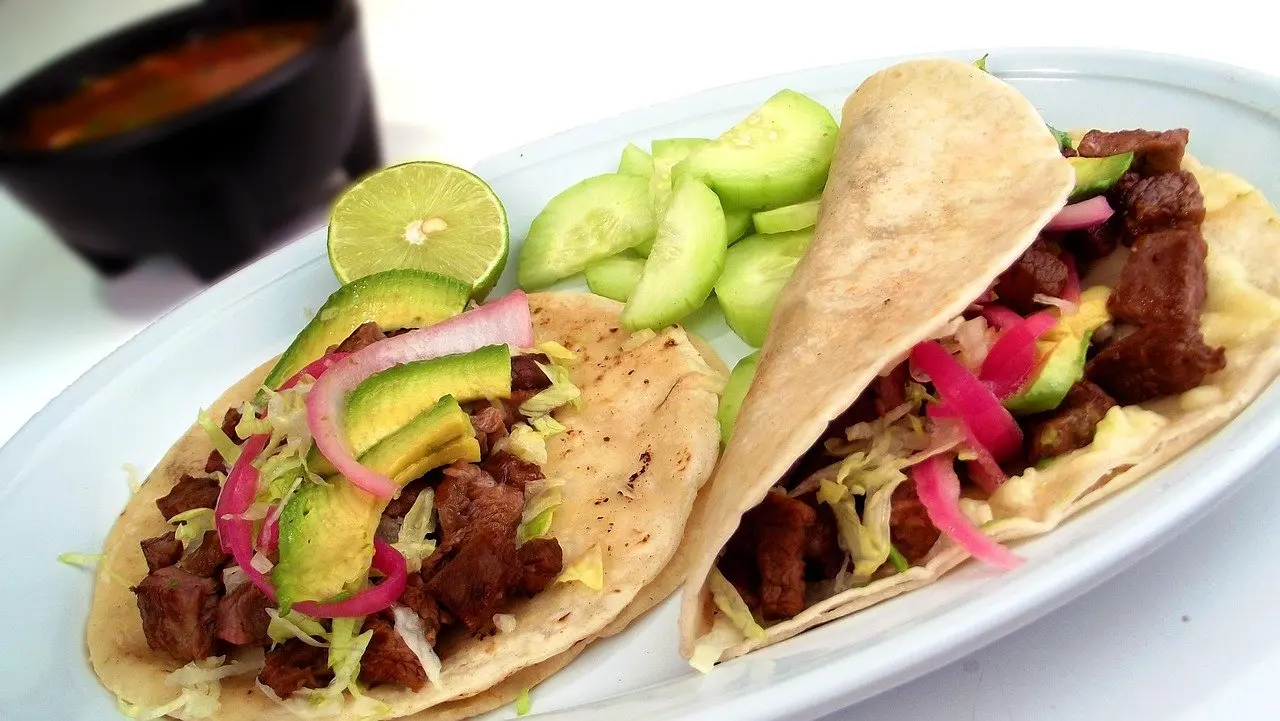
Olivia’s Cuisine defines carne asada as marinated and grilled steak that is sliced thin and served on tortillas. That makes the seasoning a surface job on a thin cut. The sections below clear up the usual misunderstandings, then give amounts, timing and doneness targets for the kind of dish that fits among our easy weeknight dinner recipes.
Cut choice: not every steak behaves the same
The most common mistake is treating carne asada as “any steak with a marinade.” The dish is traditionally made with skirt steak, flank steak or flap meat, according to Olivia’s Cuisine. Villa Cocina recommends flap or skirt and lists flank and sirloin as other cuts that work. Mexican Please points out that skirt and flank are thin cuts that cook quickly, which suits a marinade that only flavors the outside of the meat.
- Skirt steak: the safest first choice. It needs the shortest marinade of the traditional cuts, and it cooks fast over high heat.
- Flap steak: a cut Villa Cocina puts first, alongside skirt. Use it as an equal swap if your butcher stocks it.
- Flank steak: a good choice if it is what you can find, but plan a longer soak than for skirt and keep the center closer to medium-rare so it does not turn rubbery.
- Sirloin steak: a workable fallback according to Villa Cocina, best when skirt, flap and flank are unavailable.
Marinade myths at a glance
Most disappointing carne asada traces back to one of four assumptions about the marinade. This table sets each belief against what the recipes actually support.
| Common belief | What holds up | Planning use |
|---|---|---|
| The longer the marinade, the more tender the steak | Because of the acidity, marinating too long can start to cook the meat, and Villa Cocina sets a firm ceiling on time. | Treat the ceiling in the timing section below as a limit, never as a target. |
| The marinade soaks deep into the beef | Marinades do not penetrate deep into beef, so Mexican Please makes the marinade potent and targets 30 to 60 minutes. | Concentrate the flavor and slice thin, rather than soaking for hours. |
| Soy sauce is only there for color | In Villa Cocina’s marinade the soy sauce provides enough saltiness, with extra salt optional. | Mix the marinade, taste it, and only then decide whether to add salt. |
| Bottled lime juice is the same as fresh | Villa Cocina notes that bottled lime changes the flavor. | Squeeze lime and orange fresh. |
The figures and cautions above come from Villa Cocina and Mexican Please.
Rub and marinade amounts
Carne asada seasoning usually lives inside the marinade: cumin, chile and oregano for the rub-style flavor, citrus for brightness, and soy sauce for savory depth. Two tested recipes give workable quantities at different batch sizes.
For 2 lb of flap or skirt steak, Villa Cocina uses:
- Fat and umami: 1/3 cup olive oil, 1/4 cup soy sauce and 2 tbsp balsamic vinegar.
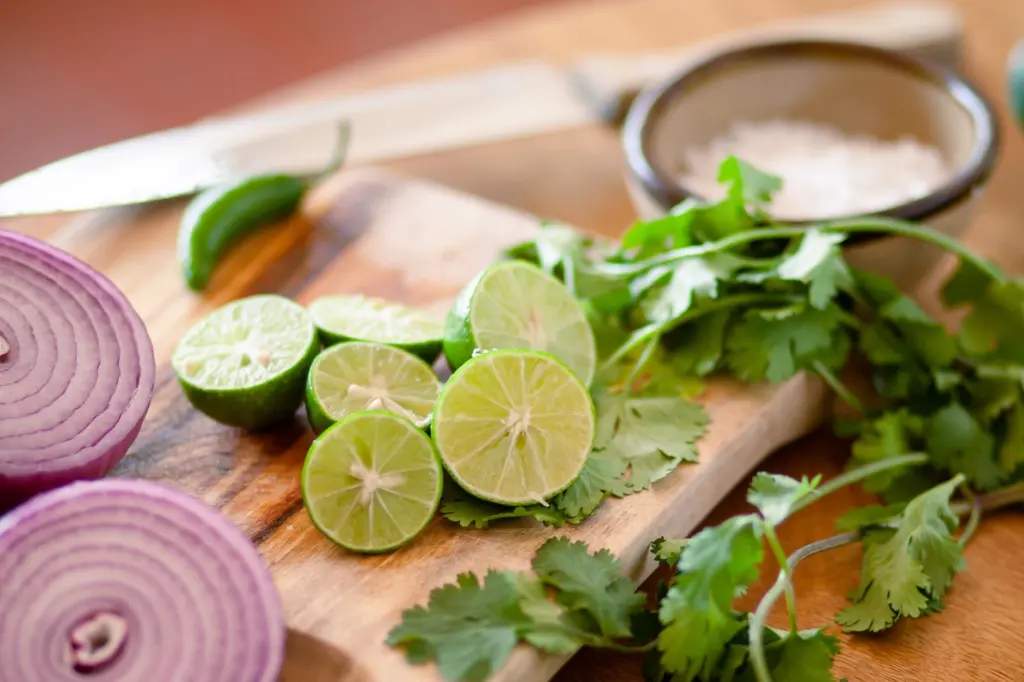
- Citrus: 1/4 cup orange juice and 1/3 cup lime juice, both squeezed fresh.
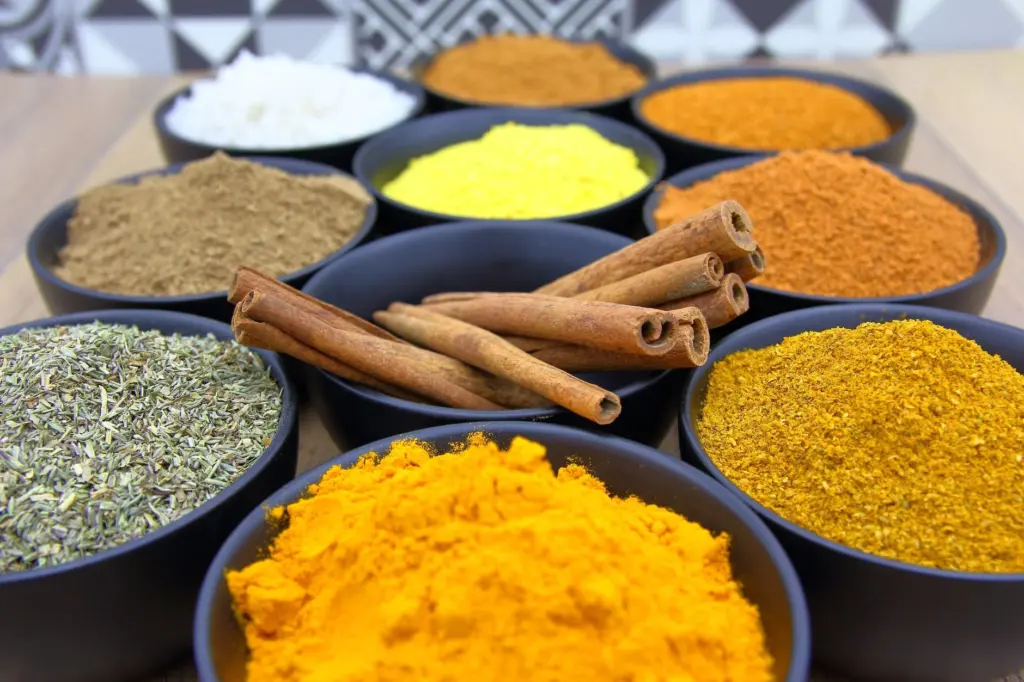
- Spices: 1 tsp ground cumin, 1.5 tsp chipotle powder and 1 tsp dried Mexican oregano.
For a smaller batch of 1 lb skirt steak, Mexican Please combines the juice of 1 lime and the juice of 1 orange with 4 garlic cloves, 1 tsp cumin, 2 tbsp Mexican oregano, 1 tbsp soy sauce and 1/4 cup oil.
The two recipes agree on 1 tsp of cumin even though the batch sizes differ, so treat cumin as the fixed point. The oregano is where they diverge sharply, and the heavier hand in the smaller batch suits cooks who want a distinctly herbal crust. If you are unsure, start with Villa Cocina’s lighter oregano and the chipotle for warmth, then adjust next time.
Marinating time and citrus limits
Marinating time depends on the cut and on how acidic the mix is. Olivia’s Cuisine says skirt steak can get away with a shorter marinade of at least one hour, while flank steak needs at least 3 hours and can go up to overnight. For a citrus-heavy marinade, though, Villa Cocina advises at least 1 hour and no more than 6 hours.
- Skirt or flap: start at an hour, covered and refrigerated. Mexican Please marinates a 1 lb skirt steak for an hour or so in the fridge.
- Flank: give it the longer soak, at least 3 hours, but stop well inside the 6-hour citrus ceiling.
- General ceiling: Olivia’s Cuisine puts the outer limit for steak in an acidic marinade at 8 hours, noting that longer can make the texture mushy. Because the shorter limit is the cautious one, use 6 hours as your own cut-off for lime and orange.
A recipe from Mangum refrigerates its steak for 2 to 12 hours. Rather than copying a window that long, match the time to your own marinade: the more lime and orange juice in it, the closer to the short end you should stay.
Grilling and doneness
High heat and short cooking times protect a thin cut. Follow this order:
- Warm the steak. Mangum sets the marinated steak aside for 30 minutes to bring it to room temperature while the grill preheats to high.
- Sear. Cook 3 to 5 minutes on each side, until lightly charred and the internal temperature reaches 125°F/52°C for medium-rare. For skirt steak, Mexican Please cooks each piece 2 to 3 minutes per side to 130 to 135°F.
- Check with a thermometer. Thin cuts move from done to overdone quickly, so measure the center rather than guessing.
Recipes disagree a little on the medium-rare target. Olivia’s Cuisine recommends 115 to 120°F for flank steak for the best results. Villa Cocina lists medium-rare at 130 to 135°F (54 to 57°C), medium at 140 to 145°F and well done at 160°F and above. Flank is the cut most likely to turn rubbery, so aim for the low end with it and treat the higher range as the target for skirt.
Resting and slicing
Let the cooked meat rest for 5 to 10 minutes before slicing, according to Mexican Please; the Mangum recipe rests the steak for 5 minutes. Slicing straight off the grill is the quickest way to lose the juices the marinade worked to keep.
Then slice thin strips against the grain. On skirt steak, Mexican Please notes you will usually need to cut across the longer side to go against the grain. Cutting with the grain leaves long, chewy fibers, even in a well-seasoned steak.
Cooking carne asada without a grill
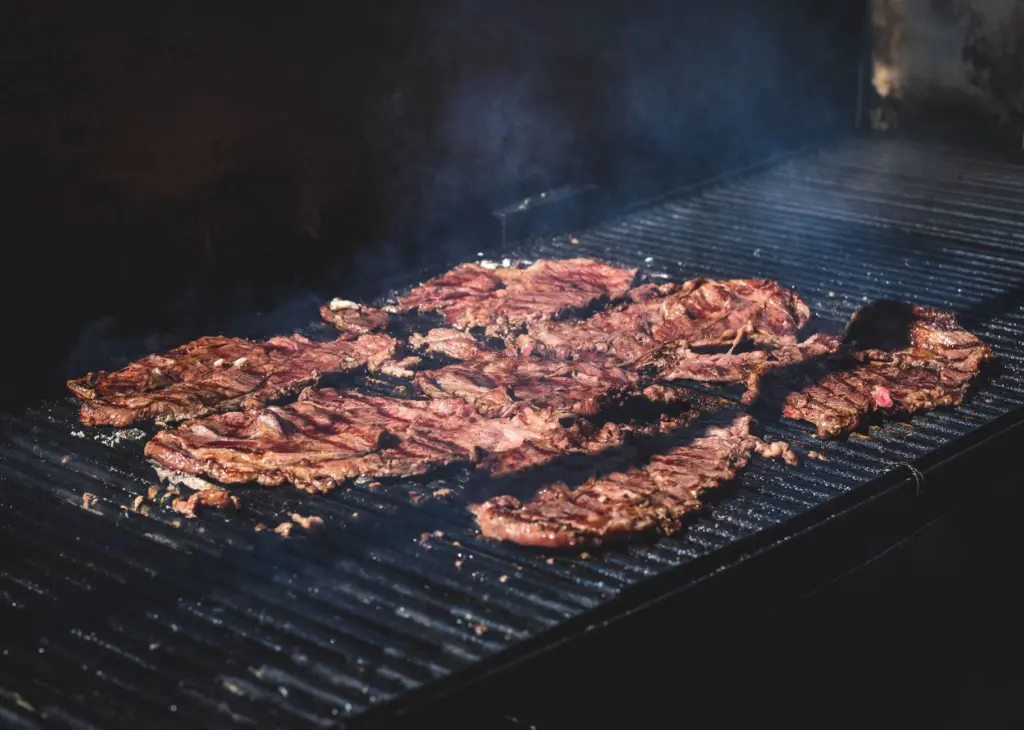
You can skip the grill. Mexican Please says a cast iron pan on the stovetop can stand in for the grill. Olivia’s Cuisine preheats the pan over medium-high heat for about 5 minutes, or until very hot, then cooks the steak. Use the same marinade, the same rest and the same slicing as for grilled steak. A pan lacks open-flame char, so keep it very hot and avoid crowding the steak.
More to cook next
If the steak is for a bigger dinner, the Rustic Homemade Spaghetti Sauce From Fresh Tomatoes: Simple, Flavor-Packed Recipe For Summer (2026) – Asmallbite guide covers a different kind of summer dinner. For a slow weekend morning for two, try Perfect Pancakes For Two: A Quick, Foolproof Recipe For Fluffy Morning Bliss – Asmallbite.
Frequently asked questions
| Question | Answer |
|---|---|
| Can I use sirloin instead of skirt? | Yes. Villa Cocina lists sirloin steak, along with flank, as an additional cut that works, though flap or skirt is its first recommendation. |
| Is soy sauce traditional in carne asada? | It is a regional habit rather than a universal rule. One cook on Food Talk Central says soy sauce is more common around the California/Baja border. |
| How many people does a steak feed? | Villa Cocina serves 5 from 2 lb of flap or skirt steak cut 1/2 inch thick. |