The national dish of honduras is baleadas. The dish uses a flour tortilla, refried beans, cheese, and crema. The dish appears across Honduras. The dish feeds families and street crowds. The article explains history, ingredients, steps, regional fills, eating occasions, and pairings. The tone stays clear and practical. The guide helps cooks and travelers learn baleadas fast.
Key Takeaways
- Baleadas, the national dish of Honduras, consists of a folded flour tortilla filled with refried red beans, cheese, and crema, often accompanied by avocado, egg, or meat.
- Originating in northern Honduras in the early 20th century, baleadas symbolize comfort and community and are enjoyed at markets, family kitchens, and festivals nationwide.
- Making baleadas involves simple ingredients—flour, lard, beans, queso fresco, and crema—with straightforward steps that anyone can follow for authentic flavor.
- Regional variations enrich the national dish of Honduras by incorporating local ingredients like seafood, pickled vegetables, or plantains, catering to diverse tastes and budgets.
- Baleadas are versatile meals eaten any time of day and pair well with sides like curtido, fried plantains, and traditional drinks such as atol de elote or coffee.
What Is Honduras’s National Dish? A Quick Overview Of Baleadas
Baleadas refer to folded flour tortillas filled with beans, cheese, and crema. The national dish of honduras usually includes mashed red beans called frijoles. Vendors spread beans on a warm tortilla and add crumbled queso, and sour cream. People often add avocado, egg, or meat. They eat baleadas at breakfast, lunch, or late night. They find baleadas at markets, roadside stands, and family kitchens. They order simple or loaded versions. The dish stays cheap, filling, and fast.
At its core, a baleada is comforting and portable: the tortilla is a neutral, tender wrapper that balances the earthy beans and tangy crema. Texture matters—silky beans against crumbly queso fresco and the occasional creamy avocado or runny egg create a satisfying mouthfeel. Because the components are inexpensive and shelf-stable, baleadas became widely accessible and quickly embedded in everyday Honduran life.
Origins, Cultural Meaning, And Historical Roots
Local cooks created baleadas in the north coast towns in the early 20th century. Farmers and laborers ate the dish for its low cost and high calories. The national dish of honduras grew in popularity after street vendors adopted portable griddles. Families passed recipes by word of mouth. The dish became a national symbol in the late 20th century. The dish links to indigenous maize traditions and Spanish flour use. The dish now appears at festivals and political rallies. It represents comfort and community.
Beyond food history, baleadas carry social meaning. They are often associated with working-class neighborhoods and communal tables where neighbors share conversation and news. In many towns, a particular vendor or family recipe is a point of local pride, and baleadas are used to mark informal celebrations—birthdays, late-night gatherings, or a quick breakfast before market work. The national dish of honduras therefore functions as both daily sustenance and a culinary emblem of Honduran identity.
How To Make Classic Baleadas: Ingredients You’ll Need
Measure these items before cooking. For tortillas: 2 cups all-purpose flour, 1 tsp salt, 2 tbsp lard or oil, 3/4 cup warm water. For filling: 2 cups cooked red beans, 1/2 cup crumbled queso fresco, 1/3 cup sour cream or crema, 1 avocado optional, salt to taste. For toppings: scrambled or fried egg, pickled onions, hot sauce optional. The national dish of honduras uses simple pantry items. The recipe scales easily for families or for a street stand. Fresh ingredients make a clear flavor difference.
Small quality notes: use warm water when making the dough so it comes together more easily; if you prefer a lighter tortilla, substitute part of the lard with vegetable oil. For the beans, simmering with a bay leaf or a small onion can deepen flavor, but traditional baleadas often rely on a straightforward seasoning to let the bean and cheese shine. Queso fresco should be fairly dry and crumbly—the contrast with creamy crema is key.
How To Make Classic Baleadas: Step‑By‑Step Preparation
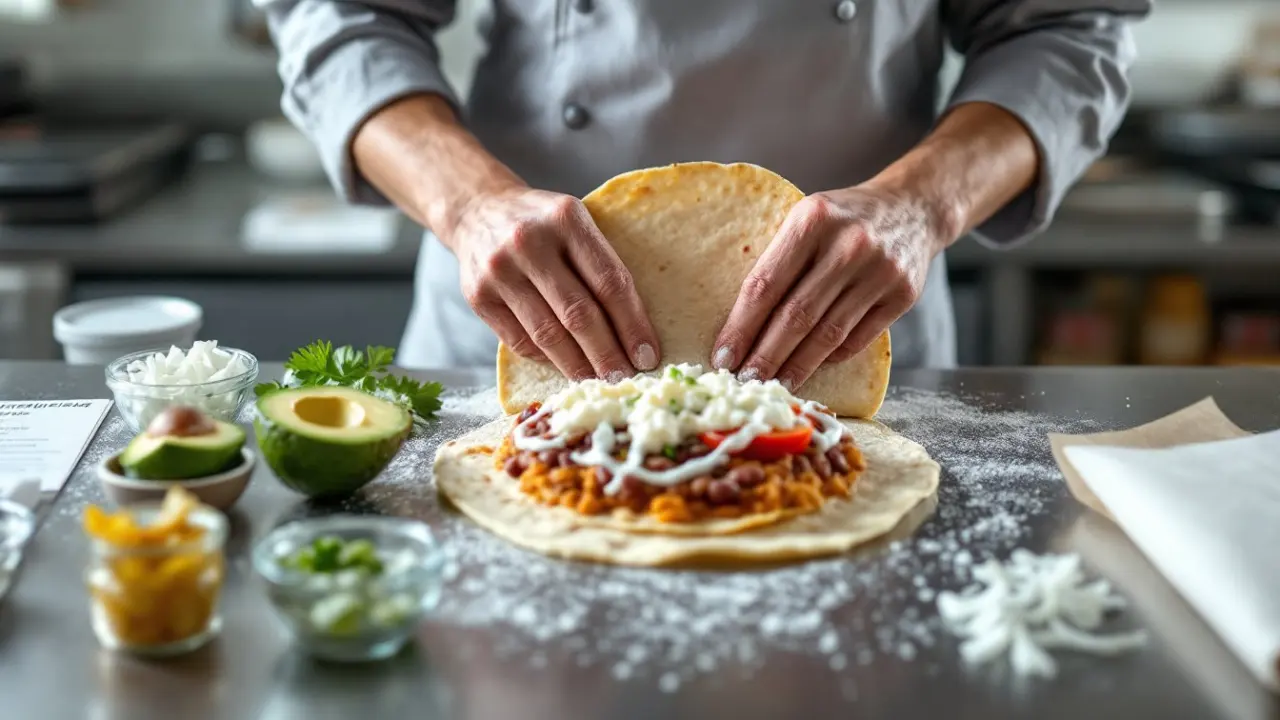
Mix flour and salt in a bowl. Add lard and stir until crumbly. Pour warm water and knead until smooth. Rest dough for 15 minutes. Divide dough into eight balls and roll flat. Heat a dry skillet and cook each tortilla one minute per side. Warm beans and mash lightly. Spread beans on a warm tortilla. Add cheese and crema. Fold tortilla in half and press gently. Serve hot with avocado or egg. The national dish of honduras tastes best right after assembly.
Timing tips: keep cooked tortillas wrapped in a clean cloth to stay soft while you finish others. If making a large batch, keep beans in a covered pot on low heat and stir in a splash of water or broth if they thicken too much. Assemble just before serving so the crema doesn’t make the tortilla soggy. For street-style presentation, fold the baleada and wrap it in paper to hold heat and make it easy to eat on the go.
Regional Variations And Popular Fillings Across Honduras
Coastal towns add seafood and spicy sauces. Northern cities favor large, thick tortillas with extra cheese. Western areas include pickled vegetables and local herbs. Tegucigalpa vendors sell small beef or pork versions. Comayagua and La Ceiba serve egg-and-cheese for breakfast. Some cooks add refried plantains or chicharrón for crunch. Vegan vendors skip cheese and offer avocado and sautéed vegetables. The national dish of honduras adapts to local tastes and budgets. Each region keeps a signature twist.
Examples of common variations: “baleada sencilla” is the simple, classic version with beans, queso, and crema; “baleada con huevo” adds a fried or scrambled egg and is a popular breakfast choice; “baleada mixta” layers beans with meats like shredded chicken or stewed pork for a heartier meal. In coastal areas where seafood is abundant, vendors may add lightly seasoned shrimp or fish as a regional specialty. The spectrum of fillings reflects local produce, economic factors, and evolving tastes, showing how the national dish of honduras stays inventive while remaining rooted in tradition.
When And Where Hondurans Eat Baleadas: Street Food To Family Meals
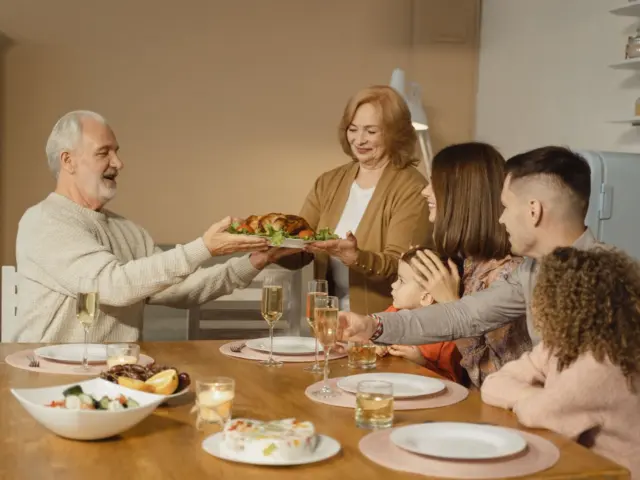
People eat baleadas at dawn in markets and on busy corners. Workers buy baleadas for a portable meal. Families cook baleadas at home on weekends. Students grab baleadas near schools and universities. Vendors operate late into the night near bars and bus stations. The national dish of honduras fills plates at casual celebrations and small gatherings. Tourists find baleadas in food stalls and local eateries. The dish moves easily from a quick snack to a shared meal.
Practical notes on where to try them: look for busy vendors where locals line up—high turnover indicates fresh tortillas and fillings. In family settings, baleadas are often accompanied by conversation and shared plates; in urban street markets, they serve as efficient fuel for a long workday. Because baleadas are eaten across social settings, they are a useful window into Honduran daily life for visitors: casual, communal, and often enjoyed with simple hospitality.
Best Pairings, Side Dishes, And Traditional Drinks
Serve baleadas with curtido, a vinegar cabbage, for brightness. Offer fried plantains or yucca on the side. A simple salad of tomatoes and onions works well. Traditional drinks include atol de elote, coffee, or fresh fruit juices. Beer pairs with meat-filled baleadas. Hot sauce or pickled jalapeños add heat. For a fuller meal, add a side of rice and beans. The national dish of honduras pairs well with plain, bold flavors that cut the richness of beans and cheese.
Pairing tips: acidic sides like curtido or pickled onions help balance the richness of crema and beans; a squeeze of lime brightens heavy fillings. For breakfast baleadas, pair with a hot cup of coffee or a sweet corn drink like atol de elote for a comforting combination. For a late-night street-food experience, a cold soda or beer is commonly enjoyed alongside meatier versions. Thoughtful pairings elevate the humble baleada into a complete, memorable meal.