| Decision | Supported value | Planning use |
|---|---|---|
| Savory rub for a 3 lb boneless loin | 1 tsp salt, 1 tsp paprika, 1/2 tsp onion powder, 1/4 tsp black pepper (serves 8) | Use as a base mix, then add other dry spices to taste |
| Starting amount for chops or tenderloin | 1 to 2 teaspoons seasoning per pound | Begin at the lower end if you want a mild result |
| Doneness | 145°F in the thickest part | Judge by an instant-read thermometer, not the clock |
| Rest before slicing | About 10 minutes for a roast; at least three minutes in a general pork guide | Rest every time; longer suits a larger roast |
| Sweet rubs | Sugar can darken quickly | Cook with moderate, controlled heat |
| Slow cooker, 3 lb boneless loin | 4 to 5 hours on LOW or 3 hours on HIGH | Treat as a guide and confirm with a thermometer |
| When to season | Thin chops shortly before cooking; roasts benefit from more time | Season a roast ahead of the day’s cooking |
Figures above come from a tested slow-cooker pork loin recipe and a pork rub guide.
Learn how to season pork loin: pat it dry, coat it evenly with a salt-based dry rub, and cook until an instant-read thermometer in the thickest part reaches the doneness target. Sugary rubs need gentler heat.
If pork loin is a regular dinner choice, our collection of easy weeknight dinner recipes has more simple mains built on the same approach. Pork loin is not tenderloin: tenderloin is the long, narrow cut, while loin is larger and needs different cooking times.
What your seasoning choices change
Pork loin is typically lean and sold bone-in or boneless, according to the Diethood slow-cooker recipe. Lean meat has little fat to cover for mistakes, so the choices below matter more than they would on a fattier cut.
- A salt-forward savory rub keeps the flavor on the pork itself. It suits a roast that will be sliced and served with sauces or sides, because nothing in the rub competes with them.
- A sweet rub gives a deeper, browner surface, but sugar can darken quickly, so it calls for controlled heat. Choose it for a roast in a moderate oven, not for a long, hard sear.
- A spicy or citrus rub suits smaller, quicker-cooking pieces where the seasoning is a main feature of the meal.
- A dry surface matters before any of them. The same guide advises patting pork dry before applying the rub, so the seasoning sits on the meat rather than on surface moisture.
- Seasoning time follows thickness. Thin chops can be seasoned shortly before cooking, while roasts benefit from more time with the seasoning on.
Brining is a separate wet method. If you brine, still pat the loin dry before applying a rub. The sections below cover the rubs, then how cooking method and doneness decide whether the seasoning pays off.
Rubs and quantities
A savory base for a boneless roast
The Diethood recipe seasons a 3 lb boneless pork loin, serving 8, with 1 tsp salt, 1 tsp paprika, 1/2 tsp onion powder and 1/4 tsp black pepper, whisked together in a small bowl. It is a restrained mix, which makes it a sound starting point: you can add garlic powder, dried herbs or other spices without burying the meat.
For a simpler version, Inspired Taste pats the roast dry and seasons all over with just salt and pepper before searing. When you scale a rub for chops or tenderloin rather than a whole roast, the pork rub guide suggests beginning with 1 to 2 teaspoons of seasoning per pound.
A sweet glaze with brown sugar
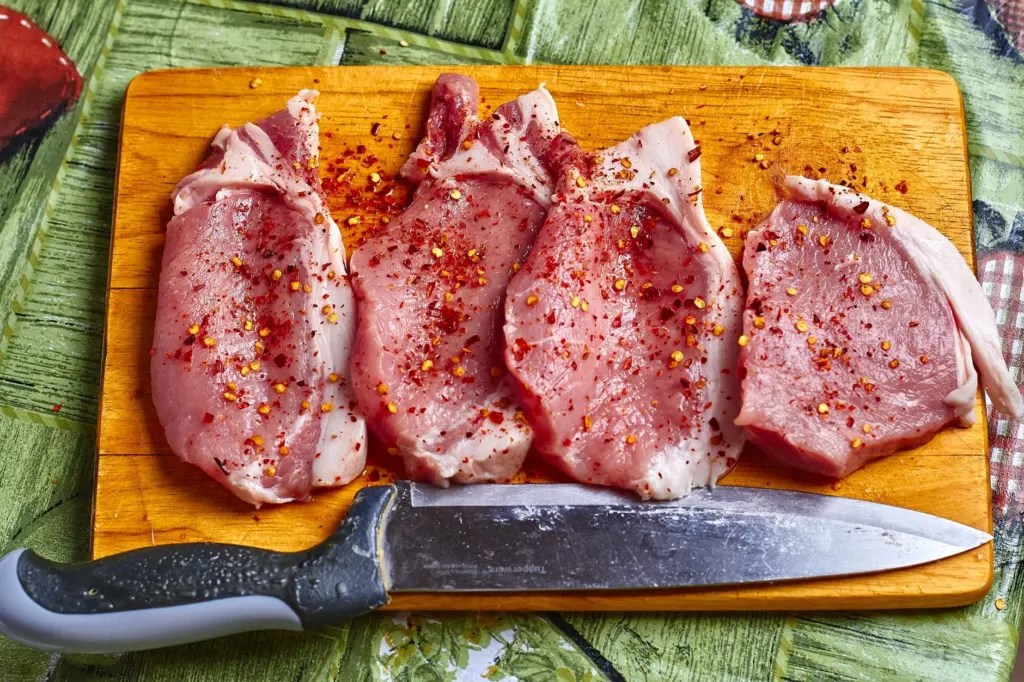
For a 3 to 4 lb roast, the Inspired Taste glaze uses 4 tablespoons of brown sugar and 6 tablespoons of honey. Because that much sugar browns fast, it makes sense to glaze a roast rather than rely on a sweet rub through a hot sear. The recipe also checks that the glaze reaches 165°F before it is served alongside the sliced pork, which matters if you reserve some glaze as a sauce.
A tart side balances the sweetness well; The Best Homemade Cranberry Sauce Recipe: Tangy, Simple, And Ready In 20 Minutes (2026) – Asmallbite is a natural partner for a glazed roast.
A spicy lime rub
A tested tenderloin recipe from Elly Says Opa shows how far a rub can go for about 1 lb of pork: 1 tsp salt, 1 tsp chili powder, 1 tsp onion powder, 1/2 tsp oregano, 1/2 tsp cumin, 1/4 tsp garlic powder, 1/8 tsp allspice and 1/8 tsp cayenne, with lime juice and 1 Tbsp olive oil. Rub the mixture all over the meat. The cayenne is the dial to adjust for heat. Building a rub from salt, heat and sweetness in balanced amounts is the same thinking behind How To Season Chili: The Essential Guide To Bold, Balanced Flavor – Asmallbite.
Timing the seasoning
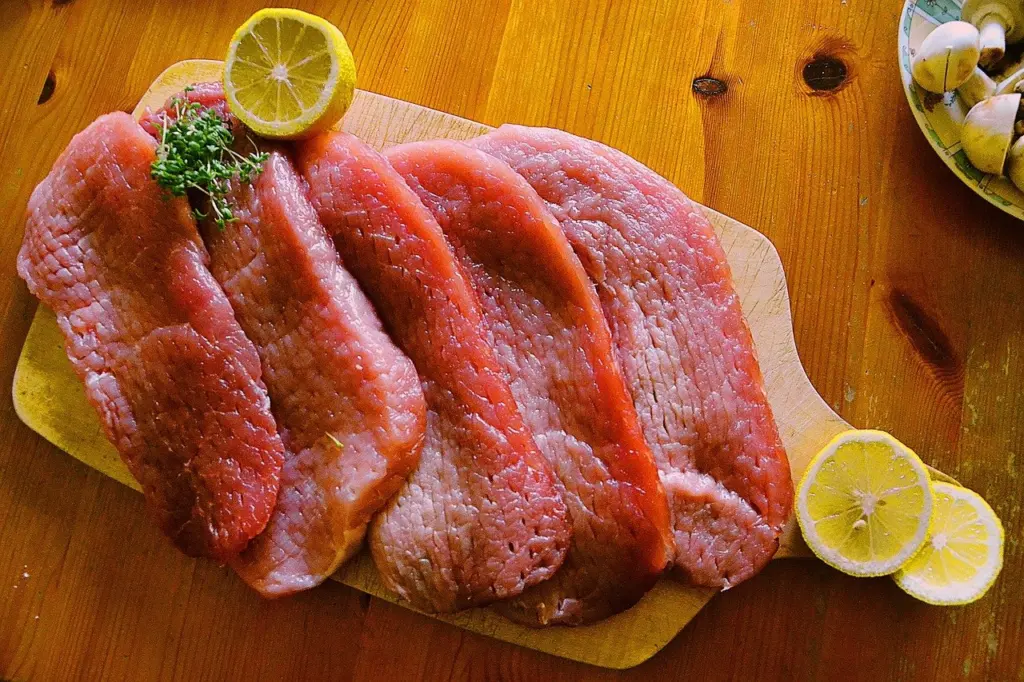
Season in proportion to the size of the cut. The pork rub guide says thin chops can be seasoned shortly before cooking, while roasts benefit from more time, so a whole loin is the piece to season ahead rather than at the last minute. Pat it dry first, then coat the whole surface, ends included.
If you plan to sear, drying matters twice over. Inspired Taste dries the roast with paper towels before seasoning with salt and pepper, and Diethood sears the seasoned loin for a couple of minutes per side in a skillet over medium heat until golden before it goes into the slow cooker. With a sugar-heavy rub, favor that medium heat over a very hot pan.
Cooking method and doneness
Oven roasting
Inspired Taste gives 40 to 50 minutes at 375°F for a 3 to 4 lb boneless roast. That is a guide to when to start checking, not a substitute for a thermometer, because the thickness of an individual loin varies.
Slow cooker
Diethood cooks a 3 lb boneless loin for 4 to 5 hours on LOW or 3 hours on HIGH. A slow cooker suits a loin when you want hands-off cooking, and the pre-sear is what gives the seasoned surface some color.
Tenderloin as a quicker alternative
If you have tenderloin instead, Spend With Pennies roasts a 1 lb tenderloin for 18 to 20 minutes at 400°F. Do not apply loin timings to it, and do not apply tenderloin timings to a loin.
Choosing a doneness target
Use an instant-read meat thermometer in the thickest part of the meat. Several recipes name 145°F as the target: Diethood, Spend With Pennies (which removes the pork at 145°F or just before) and the pork rub guide. Inspired Taste instead pulls the roast at 140°F and then rests it. For a single answer, aim for 145°F in the thickest part, and treat an earlier pull as a technique to adopt only if you are confident in your thermometer and your rest.
Resting
Rest before slicing. Diethood suggests about 10 minutes, Inspired Taste tents the roast loosely with foil for 15 minutes, and the pork rub guide gives at least three minutes as a minimum. A large roast sits comfortably toward the longer end; a small cut needs less. Spend With Pennies rests tenderloin for at least 5 minutes to keep it juicy.
Frequently asked questions
How do I season pork loin?
Dry the surface, coat it all over with a salt-based dry rub, and give a roast time with the seasoning on before cooking. A simple rub of salt, paprika, onion powder and black pepper works well.
What temperature is pork loin done?
Most of the recipes used here target 145°F in the thickest part, measured with an instant-read thermometer.
Can I use a tenderloin rub on a pork loin?
Yes, the flavors transfer, but quantities for tenderloin are given per pound and tenderloin cooks on different timings from a larger loin, so scale the rub to the weight and cook the loin by temperature.
Does a sweet rub burn?
It can. Sugar can darken quickly, so use controlled, moderate heat, or brush on a brown sugar and honey glaze toward the end of roasting.