Chili tastes flat when the spices go in late or stale. Here is how to season chili: bloom chili powder, cumin and smoked paprika in the browned meat before any liquid goes in, then taste and adjust.
If you are building a full menu around the pot, our easy weeknight dinner recipes collection has more ideas.
Chili powder leads and cumin supports
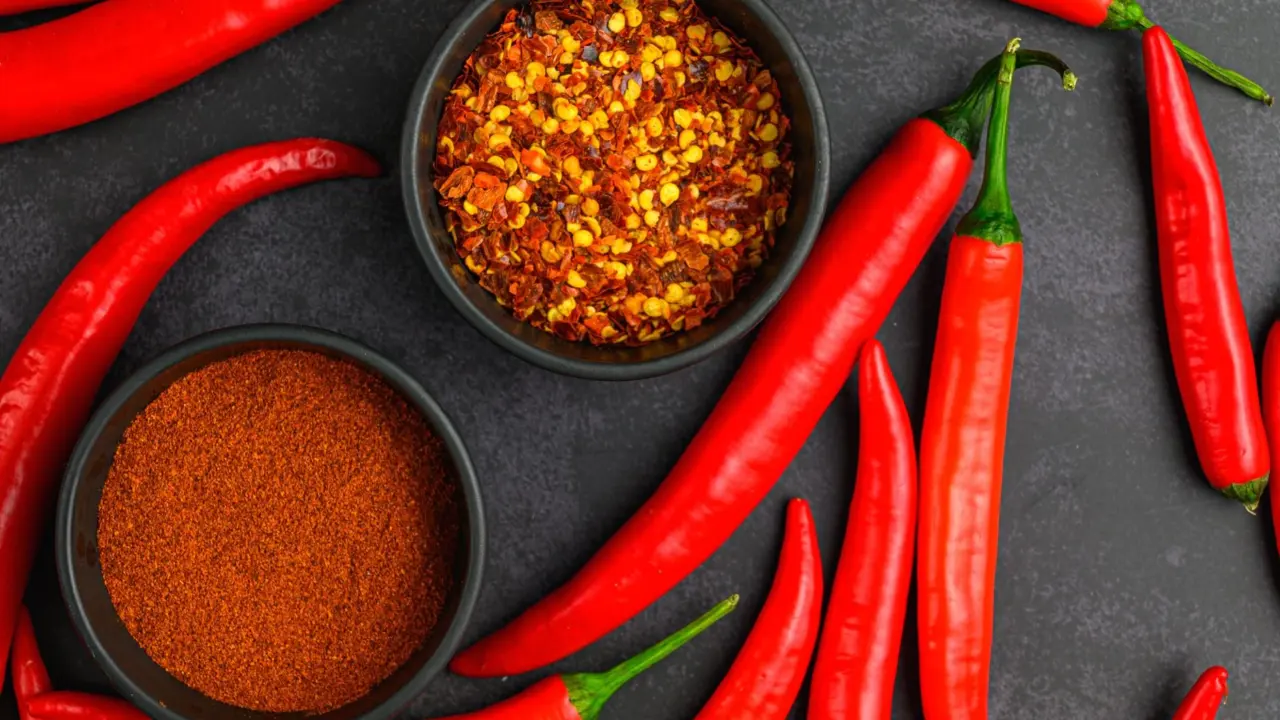
The most common mistake is treating cumin as the star. Chili flavor comes primarily from chili powder, which is a blend of ground dried chili peppers and various spices. Taco seasoning usually leans harder on cumin, while chili seasoning centers on chili powder. Cumin still earns its place, because it adds warmth and a distinct flavor. Think of it as the supporting layer under the chili powder, not a replacement for it.
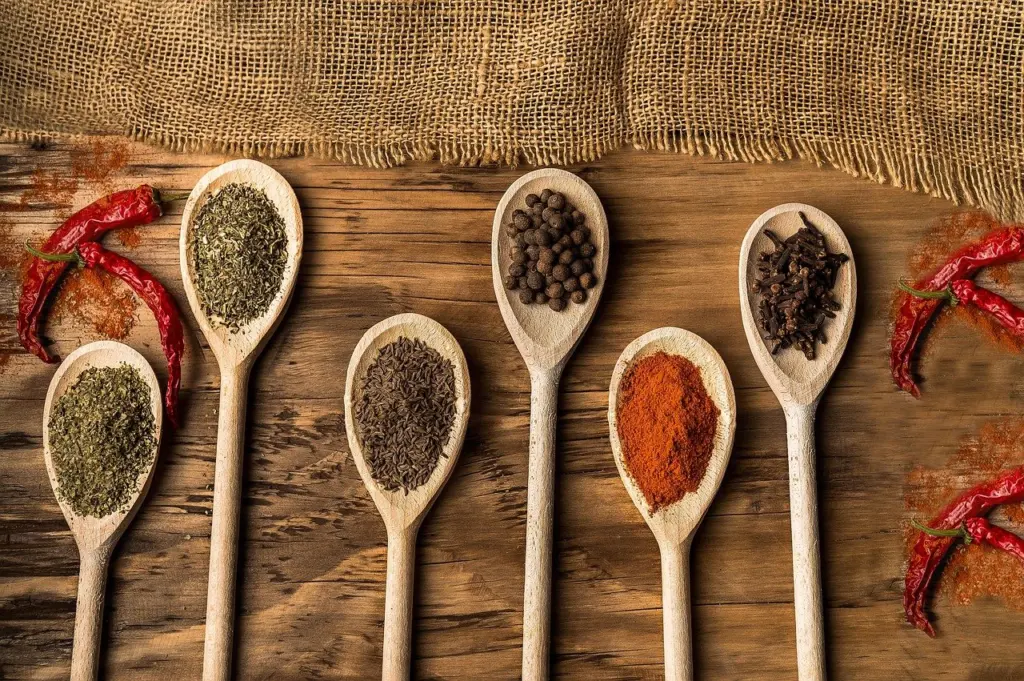
Smoked paprika is the third common pantry spice in chili blends. It adds a smoky note that chili powder alone may not give you. If you do not have it, sweet or hot paprika can stand in. The table below sorts out the assumptions that most often throw a pot off.
| Common assumption | What holds up | Planning use |
|---|---|---|
| Cumin should dominate the pot | Chili seasoning focuses on chili powder as the main ingredient; taco seasoning is usually stronger on cumin | Build the blend around chili powder and use cumin as a warm background note |
| Chili powder is just ground chilies | US-style chili powder is often already a savory blend with varying degrees of heat | Taste your chili powder before adding cayenne, and reduce the cayenne if the powder is already spicy |
| Spices can go in with the liquid | Add the seasoning directly to browned meat and stir for a minute or two before adding wet ingredients | Give the spices a short turn in the hot pan first |
| Smoked paprika is mandatory | Sweet or hot paprika can be used instead of smoked paprika | Substitute rather than skipping paprika, and expect a less smoky result |
| Salt must be part of the blend | Salt is listed as optional in one homemade blend and included in another | Decide where the salt comes from before you add any to the pot |
The assumptions and corrections above draw on Leelalicious for the chili powder, cumin and salt points and on Tidymom for the blooming and paprika substitution.
How much seasoning per pound of meat
There is no single correct amount, and published recipes disagree. That is useful, because it shows the number depends on how strong your blend is, how big the pot is and how heavily you like chili seasoned. Treat the figures below as a range for deciding where to start, not as targets.
- Light start: Basil and Bubbly suggests starting at 2 Tbsp per pound of meat. This suits a first batch of a new blend, since you can always add more later but cannot take any out.
- Middle of the range: Maple Jubilee calls for approximately 3 tablespoons of chili seasoning for 1 lb of ground meat. This is a reasonable default once you know the blend.
- Heavy hand: the same Basil and Bubbly author personally prefers a very heavily seasoned chili and uses about ¼ cup per 1 pound of meat. That is a stated personal preference, so work up to it only if the lighter amounts taste thin to you.
- Pot-based guidance: Leelalicious uses 2 tablespoons of its mix for a large pot serving 6-8, while Tidymom uses 4-5 tablespoons per pot of chili (6-8 servings). The gap between those two is a good reason to taste and adjust instead of following a fixed figure.
- Batch sizing: Budget Bytes sizes its seasoning batch for a chili using one pound of ground beef or ground turkey, at about 6 servings. If you make your own blend, match the batch to the pot in this way.
For a typical home pot, begin at the lower end, cook the spices into the meat as described below, then taste after the chili has simmered. Add more seasoning in small spoonfuls rather than all at once, and write down the amount you settle on so the next pot is repeatable.
The blends themselves are fairly simple. Basil and Bubbly’s batch uses 2 Tbsp chili powder, 1 Tbsp ground cumin and 1 Tbsp smoked paprika, so chili powder gets the largest share. Maple Jubilee’s batch includes 1 Tablespoon ground cumin and 1 teaspoon dried oregano, which shows how a little dried herb can sit alongside the cumin. Leelalicious builds salt and pepper into its base blend, at 4 teaspoons sea salt and 2 teaspoons ground black pepper.
Timing: brown, bloom, then add liquid
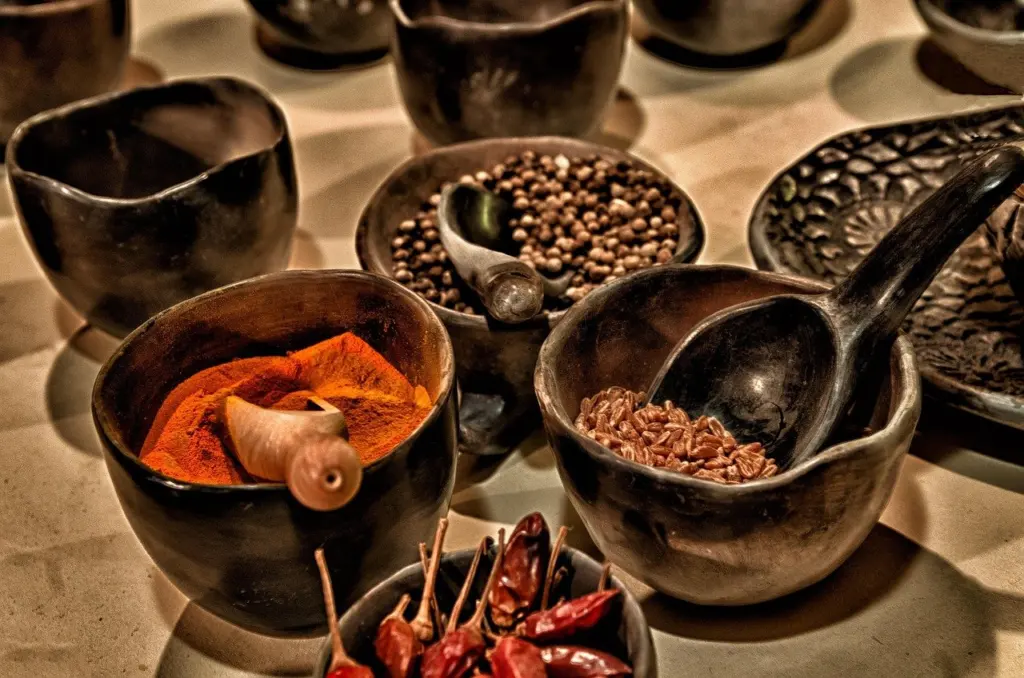
When you add spices matters nearly as much as how much you add. The pattern in the published recipes is consistent: the seasoning goes onto the browned meat, spends a short time in the hot pan, and only then meets the tomatoes, beans or stock.
- Brown the meat. Budget Bytes browns the ground beef or ground turkey first and drains the excess fat if needed before the seasoning goes in.
- Add the seasoning directly to the meat. Sprinkle the chili powder, cumin and smoked paprika over the browned meat rather than into the liquid.
- Stir to toast. Budget Bytes cooks the seasoning with the beef for about a minute, which toasts the spices and makes them a bit more pronounced. Tidymom stirs for a minute or two before adding wet ingredients. Pull the pot off the heat or add liquid if the spices begin to smell scorched.
- Add the wet ingredients. Once the spices have bloomed, pour in the liquids so they carry the toasted flavor through the whole pot.
- Taste after simmering. Flavors change as the pot cooks, so judge the seasoning at the end, not at the start, and adjust in small steps.
A single bloom-and-toast step is the main timing decision. Seasoning added only at the end tends to taste separate from the chili, which is why the bloom comes early and the adjustments come late.
Where salt fits
Salt is the one seasoning whose timing depends on your blend. Tidymom lists salt in its blend as “omit if needed”, while Leelalicious builds sea salt and black pepper into its base mix. If your blend already contains salt, count it before salting the pot, and if it does not, season separately and taste as the chili cooks. This keeps the pot from tasting under-seasoned or over-salted, and it is why quantities for the blend and for the finished pot are best judged together.
Fixing bland chili
Bland chili is rarely a quantity problem alone. Before adding more of everything, work through the causes below in order, because the early ones are cheaper to fix than a pot of over-spiced chili.
- Check the age of your spices. Basil and Bubbly calls fresh spices the first step to a flavorful chili, and Leelalicious notes that spice flavor can deteriorate with age, giving a dish that is not nearly as delicious. If your chili powder has sat in the cupboard for a long time, replacing it will do more than doubling the amount.
- Make sure the spices were bloomed. Spices stirred into liquid without a turn in the hot pan miss the toasting step that makes them more pronounced. You can still stir in a spoonful of fresh seasoning, but it will taste best if it is cooked briefly in a little fat first.
- Do not add heat to fix flatness. Chili powder often already carries varying degrees of heat, so extra cayenne can make the pot hot without making it deeper. Reach for it only when the pot is genuinely missing heat.
- Add sweetness for contrast. Budget Bytes lists brown sugar or molasses as a sweet contrast to spicy. A small amount rounds the heat, so add it by the pinch and taste.
- Layer in a background flavor. Basil and Bubbly suggests that a dash of chocolate or a small shot of coffee can add more flavor, and also mentions sauteed onion and roasted poblanos. These are depth-builders and are best added gradually so they stay in the background.
- Re-check the salt. If the chili tastes dull despite plenty of spice, salt is the first thing to taste for, particularly when the blend you used leaves salt out.
Taste after each change and wait for it to blend into the pot before adding the next. Changing several things at once makes it impossible to tell which one worked.
Making and storing your own blend
A homemade blend makes seasoning repeatable, since you control the proportions and can scale the batch to the pot. Combine chili powder, cumin, smoked paprika and, if you like, dried oregano, using the batches above as a starting point. Reduce the cayenne if your chili powder is already spicy, and decide on salt separately so the blend works across different pots.
Maple Jubilee says to store the rest of a batch in an airtight container and use it for up to 6-8 months. Treat that as an upper limit rather than a promise, because fresh spices give the best chili. If a blend has been in the cupboard a long time and smells faint, make a new one rather than adding extra to compensate.
Serving and what to cook next
Once the pot is seasoned, serve it with something that rounds out the meal. A pan of fresh biscuits suits chili well, and The Perfect Small-Batch Biscuit Recipe: Flaky, Quick Biscuits For Two (2026) – Asmallbite fits a smaller household. If you want to apply the same thinking about layered seasoning to another main dish, Season Pork Loin Like a Pro: Simple Rubs, Brines, and Techniques for Juicy, Flavorful Meat – Asmallbite covers rubs, brines and techniques for pork.
Frequently asked questions
| Question | Answer |
|---|---|
| How do I season chili if I only have basic spices? | Use chili powder as the base, add cumin for warmth and smoked paprika if you have it. Bloom them in the browned meat, then taste and adjust. Sweet or hot paprika can replace smoked paprika, according to Tidymom. |
| Should the spices go in before or after the liquid? | Before. Add them to the browned meat and cook them briefly, about a minute to a minute or two in the recipes above, so they toast before the wet ingredients arrive. |
| My chili tastes flat even with plenty of spice. What now? | Check spice freshness first, then taste for salt. If it still lacks depth, add a pinch of brown sugar or molasses, or a small amount of coffee or chocolate, and taste again before adding anything else. |
| How long does homemade chili seasoning keep? | One recipe from Maple Jubilee says up to 6-8 months in an airtight container. Fresher spices make better chili, so replace a blend that has lost its aroma. |