Cookiesforlove.com is a baking and kitchen blog with a warm, home-bakery tone, and the name searched as cookiesforlove com usually leads there. This deep-dive looks at one angle only: what the site shows about who runs it and how far a reader can trust it.
The short version is that the recipes and buying guides read like standard food content, while the ownership trail is thin and the topic mix is wider than the branding suggests.
| Trust signal | What was seen |
|---|---|
| Site description | Bread, cookies and toaster oven recipes with kitchen tips, in the site’s own words. |
| Menu sections seen | Home, Bread, Cookies!, Toaster Oven, Kitchen, Freshest Facts, About Us, Contact Us. |
| Named owner or founder? | None stated in the pages read. |
| Author names | A few bylines such as Calrendis Hordan and Kelly Griffin, plus generic author handles. |
| Policies | Privacy Policy and Terms and Conditions links are in the footer. |
| Off-topic content? | Some general lifestyle and travel-style posts are mixed in. |
The first ten seconds on cookiesforlove.com
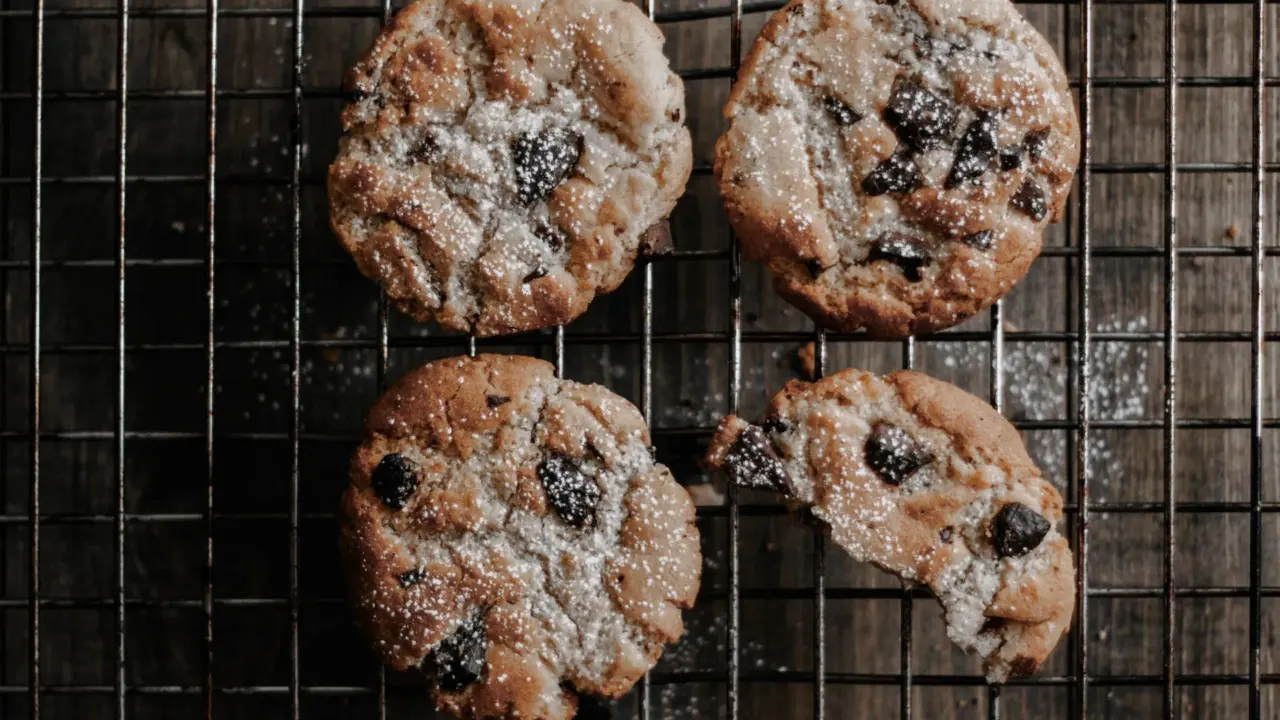
A visitor who lands on cookiesforlove.com meets a homepage organised around kitchen content: a lead story on why rye bread behaves nothing like wheat dough, a toaster oven section with several buying guides, and a Cookies! block with articles on soft versus crispy cookie texture and packaging for baked gifts.
The meta description frames the site as a place to find tasty bread, cookies and toaster oven recipes plus kitchen tips. That framing is consistent with the main menu, which lists Bread, Cookies!, Toaster Oven, Kitchen and a section called Freshest Facts.
Design-wise the site looks like a standard WordPress magazine layout with a featured story, category blocks and a sidebar of picks. Nothing on the front page asks for a login or a payment, which is a point in its favour, and the footer carries a Privacy Policy and Terms and Conditions link as expected.
Who is behind cookiesforlove? Following the author trail
The About Us page opens with a welcome and describes the project as more than a bakery, built around bread, flour and the toaster oven. It reads like a mission statement. It names no founder, no company, no address and no year of launch.
The author archives paint a similar picture. Bylines such as Calrendis Hordan and Kelly Griffin appear, alongside archive pages with machine-style names, and none links to a biography or credentials. A common search is mary from cookiesforlove, which suggests readers hope there is a named baker behind the brand. No author called Mary was seen on the pages read.
That is not unusual for small content sites. It does mean a reader should not assume a family bakery, a professional pastry chef or a registered food business stands behind the recipes.
Reading cookiesforlove freshest facts
One of the menu items is a category called Freshest Facts. People type cookiesforlove freshest facts hoping for a news-style feed, but the category works as a general archive tag: it holds short, varied pieces that do not fit under bread, cookies or toaster ovens.
In practice, it is where the site’s wider interests surface. Browsing that tag gives the clearest sense of how loosely the editorial line is held, because the topics drift far from baking.
It is a handy tag for a reader with a few spare minutes, but not a reliable index of facts. The site states no sourcing policy for the category, so claims there should be treated as the author’s view and checked independently.
Spellings and addresses people use for cookiesforlove
Search traffic arrives under many forms of the same name. The simplest is the bare brand, cookiesforlove, followed by the web address, cookiesforlove.com. Others add the www prefix and spaces, such as www cookiesforlove com and www cookiesforlove, while some break the word in two, as in cookies forlove.com or www cookies forlove.com.
All of these resolve to the same idea, a single baking site. A few readers search website cookiesforlove when they want to confirm that the address they were given is the real one. The safest habit is to type the address directly and look for the lock icon in the browser.
The site’s core address is the one that served the pages read for this article. Look-alike spellings can be registered by anyone, so do not enter passwords or card details on a page reached through an unfamiliar spelling.
What the topic mix says about editorial control
Alongside the recipes sit a few posts that have little to do with baking, such as a luck-ritual list, pieces on aviation counselling and articles on generative media. For a cookie lover the useful part is the recipe archive; the rest can simply be skipped, and the category menu makes that easy.
A food blog can legitimately branch into lifestyle topics. But a run of articles with no obvious link to the kitchen is a sign that the site has a loose editorial focus. The site does not say who writes each post, so judge recipes by their ingredients and method rather than by the page they sit on.
That does not make the baking content wrong. It means the reader, not the site, has to supply the quality control.
A practical trust check for cookiesforlove recipes
Before following a recipe, run a short check. It takes a couple of minutes and protects an afternoon of baking.
- Check that the recipe lists weights or standard cups, an oven temperature and a bake time.
- Compare the flour-to-liquid ratio with a second source, especially for bread.
- Read the comments, if any, for reports from people who baked it.
- Look at the post date and whether the author is a named person.
- Treat any health or wellness post as general reading, not advice.
Used that way, the site is a reasonable source of ideas. For anything that matters, such as a first sourdough or an allergy-safe batch, cross-check with a reference that names its testers.