| Decision | Supported detail | Planning use |
|---|---|---|
| Surface prep | Pat the fillets dry with a paper towel before seasoning | Do this first, before oil or spices touch the fish |
| Order of seasoning | Brush both sides with olive oil, coat with seasoning, then cook immediately | Season just before the fish goes on the heat |
| Grill | Medium-high heat, about 450°F; 4–5 minutes per side | Pick this when you want golden grill marks and flesh that looks set |
| Skillet | Medium-high heat with a thin layer of olive oil; about 3 minutes undisturbed, then 2–4 minutes after flipping (A Mind Full Mom) | The no-grill option, in cast iron or a non-stick pan |
| Acid | Fresh lemon or lime juice squeezed over the cooked fish | Add at the end for acidity, moisture and flavor |
| Doneness | Opaque flesh that flakes apart easily with a fork | Judge by look and texture rather than by the clock alone |
These figures come from the grilled mahi mahi recipe at Cooking LSL and the blackened mahi mahi recipe at A Mind Full Mom.
The short answer on how to season mahi mahi: pat the fillets dry, coat them in oil and a spice blend, cook over medium-high heat, and finish with fresh lemon or lime juice.
Mahi mahi fits neatly among the easy weeknight dinner recipes on this site, and the choices below help you match a blend and a cooking method to the evening you have.
Choosing a seasoning style
Mahi mahi has a mild, slightly sweet flavor and firm, flaky flesh, according to a seafood cooking guide from Caviar Man. The same guide lists garlic, lemon, butter, olive oil, paprika, parsley, dill, thyme, black pepper and sea salt as seasonings that enhance the fish without overpowering its natural sweetness. That list is a safe starting point, and the tested blends below build on it. The right one depends on how much flavor you want and which pan or grill you plan to use.
- Multi-spice blend for the grill or a pan. The Cooking LSL recipe combines salt, black pepper, smoked paprika, oregano, cumin, garlic powder, onion powder and a pinch of cayenne. For 3 fillets it uses 1/2 tsp salt, 1/4 tsp black pepper, 1 tsp smoked paprika, 1/2 tsp garlic powder, 1/2 tsp onion powder, 1 tsp dried oregano and 1 tsp cumin, plus 3 tbsp olive oil for brushing and 2 tbsp lemon juice to finish. It suits cooks who want a rounded, savory crust without much heat.
- Blackened blend for a hot skillet. The A Mind Full Mom recipe mixes 1 tsp kosher salt, 2 tsp smoked paprika, 2 tsp garlic powder, 1 tsp dried thyme, 1/2 tsp onion powder and 1/2 tsp cayenne for 4 fillets. Cayenne is 1/2 tsp here against a pinch in the grilled blend, so this is the spicier choice. Pick it when you want a bold, well-browned crust.
- Simple herb-and-citrus seasoning. Salt, black pepper, garlic, thyme, parsley or dill, and a squeeze of lemon keep the focus on the fish itself. This suits cooks who like the sweetness of mahi mahi to lead, or who are serving it with a strongly flavored sauce.
Both tested blends are written for a set number of fillets, so scale the amounts to the fillets you have. Smoked paprika appears in both, so one jar covers either recipe.
Preparing and seasoning the fillets
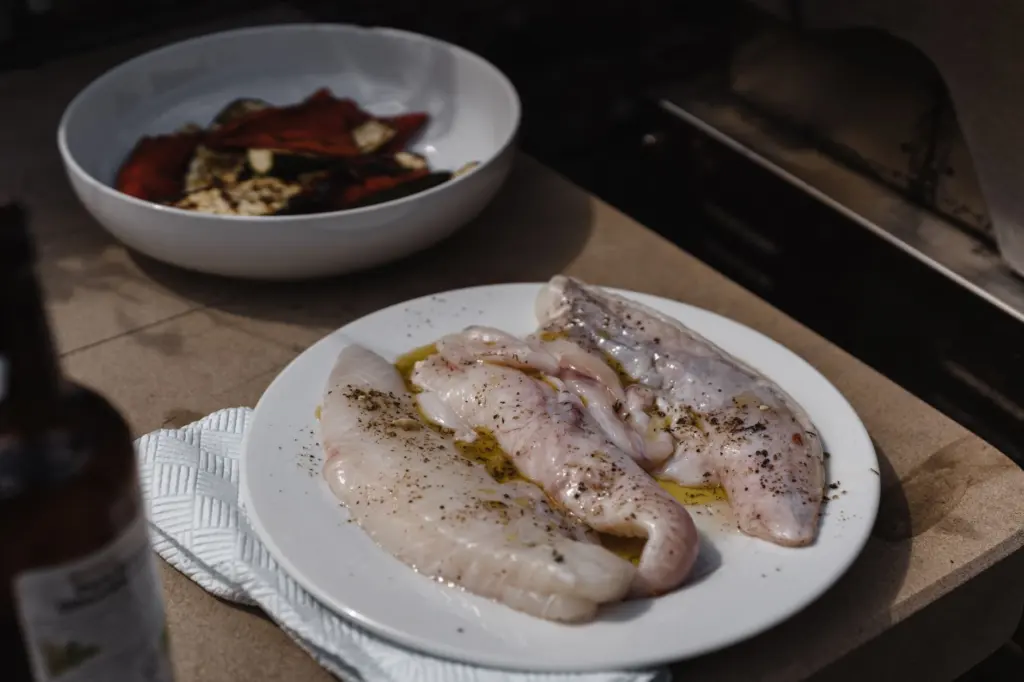
Preparation is short, and two habits matter most. The first is drying the surface: the blackened recipe says to pat the fillets dry with a paper towel before seasoning. The second is the order of seasoning. The grilled recipe has you brush the fillets with olive oil on both sides, coat them with the spice mixture, and then cook right away, as set out on the Cooking LSL page.
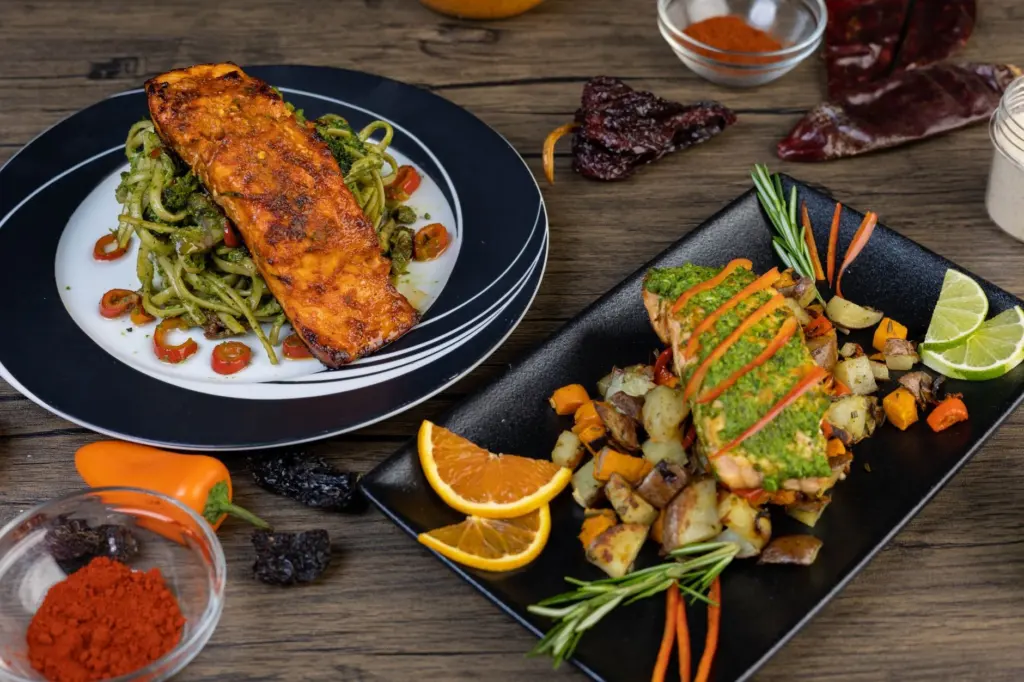
That order has a practical payoff. Mix the spices in a small bowl while the grill or pan heats, and the whole job is done by the time the fish goes on. It suits weeknights when there is no time to plan ahead.
Cooking methods and timing
Caviar Man’s guide names pan-searing, grilling, baking and air-frying as ways to cook mahi mahi, and it recommends medium to medium-high heat for even browning. The timings below come from tested recipes, so use them as a guide and check the fish itself.
Grill
Preheat a gas grill to medium-high, about 450°F. Grill the fillets 4–5 minutes per side until you see golden grill marks and the flesh looks set, per the Cooking LSL recipe. The grill suits the multi-spice blend and anyone who wants those marks.
Skillet
Without a grill, the same recipe uses a cast iron or non-stick pan over medium-high heat with a thin layer of olive oil, for about 3–4 minutes per side. The blackened version adds butter to the oil. It calls for 2 tbsp unsalted butter and 1 tbsp olive oil for 4 fillets, halved for each 2-fillet batch. The fish cooks undisturbed for 3 minutes until golden brown, then 2–4 minutes after flipping, according to A Mind Full Mom. Leave the fillets alone during the first side, since the crust is the point of this method.
Oven
For the simplest bake, Simply Whisked uses a 400°F oven for 10–15 minutes. A more involved route, from Il Fustino, preheats the oven to 425°F, sears the fish on high heat in oil, then finishes it in the oven for 8–12 minutes. It also adds butter, cooked until it begins to brown, and bastes the fish for 1–2 minutes. Rest the fish 3–4 minutes off the heat before serving. Choose the plain bake when you want fewer pans, and the sear-then-roast route when you want a browned surface with the oven’s gentler finish.
Finishing with acid and checking doneness
Lemon and lime
Acid goes on at the end in both tested recipes. The grilled recipe drizzles lemon juice over the fish right when it comes off the grill, while it is still hot. The blackened recipe notes that squeezing fresh lemon or lime juice over the fish adds acidity, moisture and flavor. Lime works as well as lemon with either blend, so use whichever you have. The citrus also gives a bright contrast to the paprika and cayenne in the rubs.
Judging doneness
The tested recipes judge doneness by sight and feel. Fish is done when it turns opaque and flakes apart easily with a fork, and on the grill the flesh should look set with golden marks. The 400°F, 425°F and 450°F figures above are oven and grill settings, not the temperature of the fish. When a fillet is thick, check the center with a fork rather than relying on the minutes per side alone.
Pairing and what to cook next
A fish dinner leaves room for a few simple additions. If you turn leftover fillets into tacos, The Best Homemade Taco Sauce Recipe: Quick, Tangy, and Customizable In 15 Minutes – Asmallbite gives you a tangy sauce to spoon over them. For something sweet afterward, Fudgy Small-Batch Brownies: The Easy 8–Piece Recipe For When You Only Want A Few (30 Minutes) – Asmallbite keeps dessert as small as the dinner.
Frequently asked questions
How long should I marinate mahi mahi?
None is needed for the tested grilled recipe. It goes straight from oil and seasoning to the heat, with lemon juice added afterward, as laid out in the Cooking LSL recipe.
Can I use another fish with these seasonings?
The blackened recipe says halibut, sea bass, grouper or snapper can be substituted for mahi mahi, per A Mind Full Mom.
How long do leftovers keep?
Store cooked fish in an airtight container in the refrigerator for up to 48 hours, according to A Mind Full Mom.
What if my fillets are frozen?
For grilling, defrost them in the fridge overnight first, as Cooking LSL advises. When baking from frozen, Simply Whisked says to add 5 minutes to the recipe’s cook time.